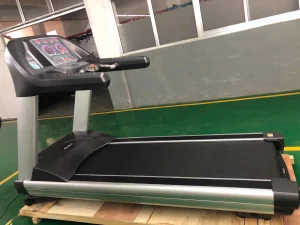
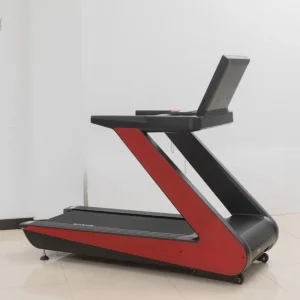
In the highly competitive commercial fitness environment, equipment reliability directly correlates with operator profitability. Facility managers face a key technical dilemma when specifying cardiorespiratory machines: choosing between high-maintenance Interactive Touchscreens and Industrial-Grade LED Consoles. While touchscreen platforms offer media streaming, they present significantly lower Mean Time Between Failures (MTBF) due to software fragmentation, screen degradation, and vulnerability to moisture intrusion from perspiration.
Leading global OEM/ODM manufacturers, including Zhejiang StepUp Treadmill Co., Ltd., have driven a major engineering movement: the modernization of LED console interfaces. Modern LED systems are no longer basic segment displays; they now integrate embedded Bluetooth (BLE 5.0), ANT+ communication boards, NFC wireless check-in arrays, and algorithmic energy management. This report serves as a detailed procurement white paper for global sourcing directors, fitness club chain operators, and commercial distributors looking to evaluate the top suppliers of LED console treadmills.
To assist strategic procurement officers in calculating accurate Total Cost of Ownership (TCO), our engineering team has benchmarked standard multi-window LED console architectures against Android-based TFT touchscreen displays across five operational dimensions:
| Evaluation Parameter | Industrial Multi-Window LED Consoles | Android-Based TFT Touchscreen Displays | Strategic Sourcing Impact |
|---|---|---|---|
| Lifespan & Degradation | > 50,000 operational hours (zero luminescent loss) | ~ 15,000 hours (backlight dimming, pixel burn-in) | LED displays cut replacement cycles by 60% over 5 years. |
| Software Cycle Vulnerability | Static microcode firmware (no OS crashes) | Requires regular OS updates, vulnerable to malware | LED consoles eliminate software-induced gym downtime. |
| Power Consumption | 12W – 18W operational average | 45W – 75W (requires active processor cooling) | Substantial utility savings when running 50+ units in large clubs. |
| Interface Durability | Tactile, chemical-resistant polycarbonate membranes | Capacitive glass vulnerable to impact and sweat ingress | LED consoles resist physical damage in high-traffic settings. |
| Diagnostic Telemetry | Real-time error code readouts via serial bus (Modbus) | Requires complex diagnostics or remote system access | Facilitates rapid maintenance by in-house technicians. |
Our findings indicate that while touchscreens support modern streaming apps, they introduce a high failure rate in unsupervised facilities like military bases, 24/7 fitness clubs, and hotel fitness centers. The LED console remains the optimal choice for high-volume, reliable performance.
The next generation of LED console design focuses on combining physical durability with digital connectivity. Rather than keeping displays isolated, leading engineers are integrating advanced components to turn the console into a connected data terminal.
Integrating Wi-Fi and Bluetooth Low Energy (BLE) modules allows consoles to transmit usage statistics, belt tension analytics, and motor temperature logs directly to gym operators' asset management platforms in real time.
Modern consoles allow exercisers to tap their smartwatches or smartphones (via Apple GymKit or Google Fit frameworks) to sync workout metrics instantly, providing a seamless user experience without requiring a full video screen.
Future consoles will feature intelligent standby modes that reduce idle draw to less than 0.5 Watts, helping commercial operators meet strict municipal environmental standards and lower facility overheads.
One-size-fits-all fitness equipment often fails to meet the specific requirements of different facilities. High-quality suppliers must offer customized engineering solutions tailored to distinct commercial sectors:
For guest gyms, quiet operation is essential. Sourcing requirements emphasize brushless AC motors (under 55 decibels), space-saving footprints, and intuitive plug-and-play interfaces that guests can operate without staff assistance.
Clinical environments require extended handrails for patient stability, very low starting speeds (starting at 0.1 km/h), precise biomechanical feedback on the LED display, and medical-grade certifications (such as ISO 13485 compliance).
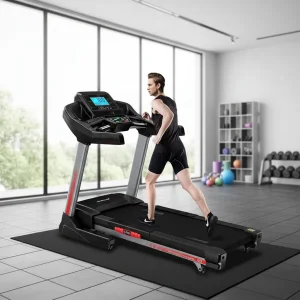
Large fitness clubs need maximum durability. Specifications require a minimum 3.0 HP continuous-duty AC motor, double-sided reversible running decks to double the wear life, and robust shock absorption systems to handle heavy daily use.
Defense installations require heavy-duty cardiorespiratory equipment. Our specifications focus on thick steel frames, high-load running belts (supporting up to 180 kg), and consoles that remain reliable in environments without air conditioning.
The global fitness equipment supply chain has shifted toward highly automated, vertically integrated production models. Our manufacturing base in Zhejiang, China, utilizes advanced Factory 4.0 processes to ensure consistent quality and production efficiency:
Automated robotic arms perform 98% of all frame welding. This ensures deep weld penetration, high structural integrity, and eliminates human error, resulting in a frame that can withstand millions of running cycles without fatigue cracks.
Every LED console undergoes a 48-hour continuous burn-in test inside a climate-controlled chamber. This process checks for semiconductor stability, solder joint integrity, and firmware reliability under high heat and vibration before final assembly.
By managing frame fabrication, electronic assembly, and plastic injection molding within a single industrial cluster, we minimize logistics lead times, lower intermediate costs, and guarantee reliable parts availability for the aftermarket.
When sourcing LED console treadmills from global suppliers, procurement managers should evaluate the following key parameters to ensure high performance and reliable product support:
Specify AC Motors (minimum 3.0 HP continuous duty / 6.0 HP peak duty) for commercial environments. Avoid DC motors, which are better suited for light home use and have shorter lifetimes under continuous loads.
Ensure the running deck is at least 25mm thick and made of high-density phenolic resin. Self-lubricating decks or pre-waxed systems greatly reduce regular maintenance needs for facility staff.
Verify that the manufacturer holds certifications required for your target market, such as CE (Europe), UL/cUL (North America), RoHS for electronics, and ISO 9001 for quality management processes.
For over 22 years, Zhejiang StepUp Treadmill Co., Ltd. has been a trusted leader in designing and manufacturing professional commercial fitness equipment. We specialize in providing complete, one-stop fitness solutions tailored for commercial gyms, hotels, rehabilitation centers, military bases, fitness clubs, and wellness centers worldwide.
With a track record of completing more than 3,000 projects across Asia, Africa, and the Americas, we have built a global reputation for delivering fitness equipment that combines functionality, reliability, and value.
We work closely with facility owners to understand their space, creating detailed functional layouts that optimize traffic flow, safety, and the overall user experience.
Our experienced team helps clients select the right mix of high-performance cardio and strength equipment to match their specific facility goals and budget.
We handle shipping logistics and setup, ensuring that equipment is properly installed, calibrated, and ready for immediate use with minimal hassle.
Our support continues long after installation. We provide replacement parts, diagnostic support, and maintenance guidance to maximize the operational lifespan of your equipment.
"Our mission is to design, build, and deliver gym spaces that perform at the highest standards while supporting the diverse fitness goals of users worldwide."
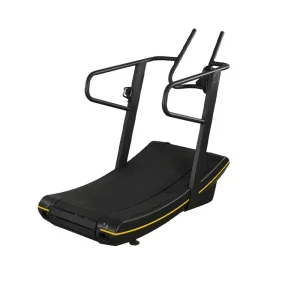
 StepUp Treadmill