A treadmill may seem simple: a motor moves a belt, and your feet follow. But beneath the walking surface, friction builds between the belt and deck. The right lubricant, applied as the manufacturer directs, can help reduce that friction and support smooth operation. It may also help limit unnecessary strain on the motor and other components. Small details matter.
What happens if I don't lubricate my treadmill? The answer depends on the machine, how often it is used, and its maintenance schedule. A dry or poorly maintained deck may contribute to a rougher belt, extra noise, or increased wear. Those signs can have other causes, too, so lubrication should not be treated as a fix for every problem. Check the owner’s manual before applying anything; some treadmills use different belt materials or maintenance systems. Using the wrong product, or applying too much, can create new problems.
A brief inspection can make the issue easier to notice. Look for a belt that feels unusually resistant, listen for changes in its sound, and follow the service intervals listed by the manufacturer. Unplug the treadmill before performing maintenance, and never guess at the lubricant type. It is easy to put off this task because the machine still runs. That judgment is not always right. This guide explains why lubrication matters, what warning signs to watch for, and how to maintain your treadmill without overdoing it.
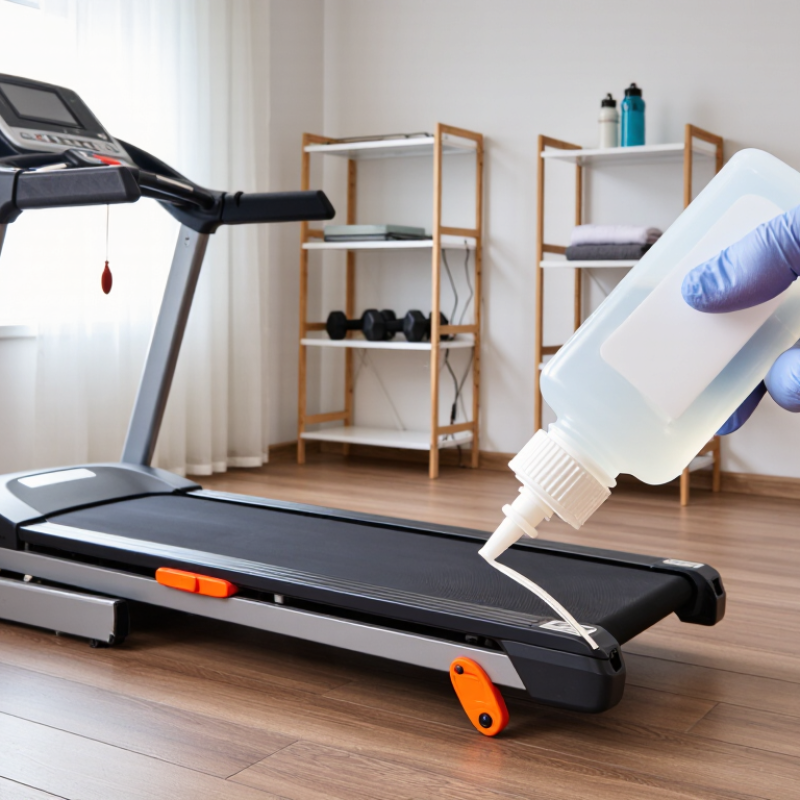
A treadmill belt slides over a deck with every step, creating friction at the contact surface. Too much friction can make the motor work harder and may contribute to belt or deck wear. Lubrication places a thin film between these surfaces, helping the belt move smoothly rather than dragging across the deck. You may notice a difference as a quieter run or less hesitation underfoot. Small details matter.
A 2017 tribology review by Kenneth Holmberg and Ali Erdemir estimated that friction and wear consume about 23% of global energy use. That figure covers many industries, not treadmills, so it should not be treated as a treadmill-specific saving. Still, it shows why reducing friction is an important engineering goal. For home equipment, follow the care instructions for the particular treadmill: lubrication needs vary by belt and deck design. Apply only the recommended lubricant and amount, then check that the belt tracks correctly. More is not better; excess lubricant can make the belt slippery or collect dust. I’ve found that maintenance is easy to postpone, but a quick inspection can reveal dry patches or unusual rubbing before they become harder to ignore.
| Maintenance Dimension | What Happens | How Lubrication Helps | Practical Guidance |
|---|---|---|---|
| Friction between belt and deck | The moving belt slides over the stationary deck, creating friction during use. | A suitable lubricant can reduce friction at the belt-and-deck interface, helping the belt move more smoothly. | Lubricate only if the treadmill’s manual specifies that the deck requires lubrication. |
| Motor workload | Excessive belt-to-deck friction can make the drive system work harder to move the belt. | Reducing friction may help limit unnecessary resistance on the motor and drive components. | If the belt slows, hesitates, or feels unusually resistant, check the manual and inspect the treadmill before use. |
| Belt movement | A dry or poorly maintained deck can contribute to uneven or less-smooth belt movement. | Correct lubrication supports consistent movement when the belt and deck are otherwise properly adjusted. | Lubrication does not replace correct belt tension, alignment, cleaning, or repairs. |
| Wear on components | Ongoing excess friction can contribute to wear on the belt, deck, and related drive components. | Following the recommended maintenance routine can help reduce avoidable friction-related wear. | Inspect the belt and deck regularly for visible damage, debris, or signs of uneven wear. |
| Lubricant type | Treadmill designs use different deck materials and maintenance requirements. | The correct lubricant is compatible with the machine’s belt-and-deck system. | Use only the type specified by the treadmill manufacturer; do not assume that household oils or sprays are suitable. |
| Lubrication schedule | Lubricant needs depend on treadmill design, frequency of use, and the manufacturer’s instructions. | A suitable schedule helps maintain the intended low-friction interface without over-lubricating. | Follow the manual’s mileage- or time-based guidance. There is no single interval that applies to every treadmill. |
| Safety during maintenance | Moving parts and electrical power can create hazards during inspection or servicing. | Safe maintenance helps prevent accidental belt movement and electrical injury. | Switch off and unplug the treadmill before cleaning or lubricating, and follow the manual’s procedure. |
Usually, only the area between the walking belt and deck needs attention. The belt slides across the deck with every step. Some decks need no added lubricant.
Lubricant reduces friction, which can limit wear and ease the motor’s workload. Less strain helps. It does not fix a worn belt, poor alignment, or dust.
Usually, no. Avoid oil or grease on rollers, the drive belt, motor, or electrical parts unless the manual specifically instructs you. Extra lubricant may attract dust or cause slipping.
Use only the product specified for your treadmill. Some decks are treated and need no added lubricant. Check first; guessing can damage surfaces.
Unplug the machine, gently lift the belt, and apply the directed amount beneath it, often near the deck’s center. Keep it off the walking surface and floor. Wipe up drips.
Follow the manual’s schedule and consider how often the treadmill is used. Daily workouts, dust, and long sessions may mean inspecting sooner. I still need reminders.
A rough feel, faint dragging sound, or unusually hot motor can signal trouble. Stop using it if the belt remains uneven or the motor runs unusually hot. Check before adding lubricant.
No. Slipping, roughness, or noise can also come from wear, poor alignment, or dust. More lubricant may worsen tracking. That is easy to miss.
Lubricating a treadmill reduces friction between the moving belt and the deck, helping the belt run smoothly and putting less strain on the motor and other drive components. The key area that may need lubrication is the space beneath the walking belt, though the parts and requirements vary by treadmill. Proper lubrication helps limit wear, reduce excess heat, and support consistent performance. What happens if I don't lubricate my treadmill? The belt may become harder to move, components can wear faster, and the machine may run noisily or feel uneven.
Signs that lubrication may be needed include squeaking, hesitation, a belt that seems to drag, or unusual warmth around the deck. Before applying anything, check the treadmill’s care instructions and use only a lubricant suitable for that model. Follow the recommended amount and schedule rather than relying on a fixed interval: usage, environment, and equipment design can all affect how often lubrication is required.

 StepUp Treadmill