Why is my treadmill motor burning smell? This unsettling odor often signals friction, overheating, electrical stress, or accumulated dust. It may begin as a faint hot-plastic scent beneath the console. Sometimes, it becomes sharper after several minutes of running.
A burning smell is never something to ignore. Stop the treadmill, remove the safety key, and unplug it before inspecting anything. Check whether the walking belt feels unusually tight or drags beneath your feet. Look for black dust near the motor cover, melted wiring, or a circuit breaker that trips repeatedly. These details can reveal a developing fault, although smell alone cannot identify the exact cause.
The risk deserves careful attention. NFPA’s Home Fires Involving Electrical Distribution and Lighting Equipment report estimates 27,800 home structure fires annually from 2016–2020 involving electrical distribution or lighting equipment. That figure is not treadmill-specific, but it shows why overheated components require caution. The U.S. Consumer Product Safety Commission also repeatedly advises consumers to stop using products that show unusual heat, smoke, or malfunction.
John Drengenberg, former Consumer Safety Director at UL, has offered a practical warning: “When you smell something burning, stop using the product and investigate the source.” The wording is simple. The diagnosis is not.
This guide explains common treadmill motor causes, safe checks, maintenance evidence, and situations requiring professional service. A dry belt, clogged ventilation opening, or worn motor brush may seem minor. However, continuing to run the machine can turn a manageable repair into expensive damage. Mistakes happen, especially when owners assume a warm motor is normal. It is not always normal.
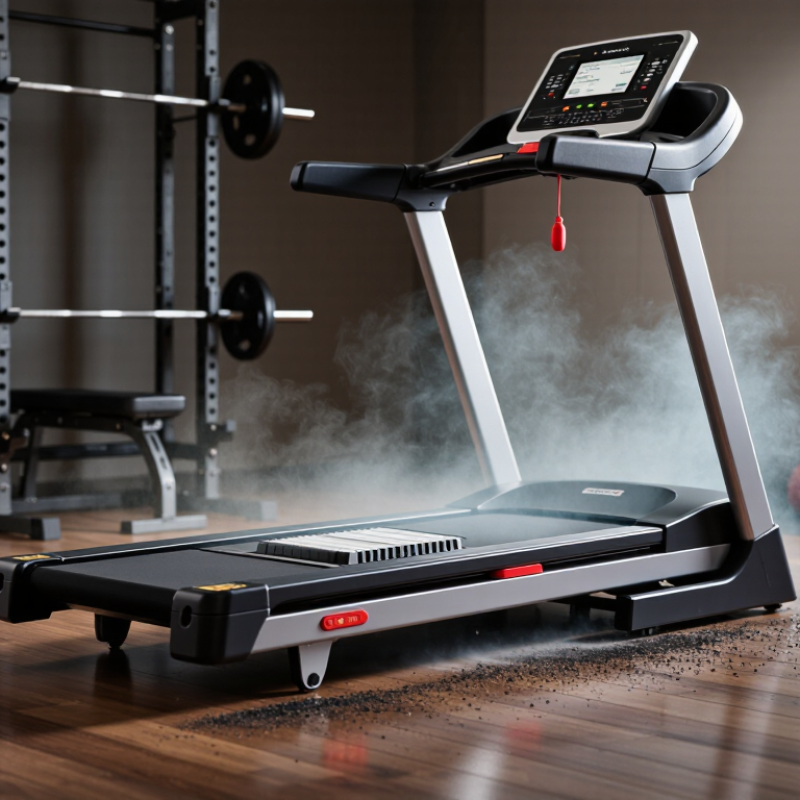
Why Does My Treadmill Motor Smell Like Burning?
Common Causes of a Burning Smell From a Treadmill Motor
A burning odor from a treadmill motor often begins with friction, not an electrical failure. A dry walking belt may drag against the deck and force the motor to work harder. You might notice a hot rubber smell, slower belt movement, or unusual noise. Excessive belt tension can create similar symptoms. Dust and lint around the motor housing may also heat up and produce a sharp, smoky odor.
Electrical overheating is another serious possibility. Loose connections, worn motor brushes, or damaged wiring can create heat beneath the cover. Blocked ventilation makes the problem worse, especially after a long workout. In practice, many users blame the motor immediately. That assumption is not always correct. The belt, deck, or drive roller may be the real source.
Stop using the treadmill and unplug it before inspecting anything. Let the machine cool completely. Check for melted plastic, darkened wires, heavy dust, or belt damage. Do not touch exposed electrical parts. If the smell returns quickly, or smoke appears, arrange an inspection by a qualified repair technician. A small amount of dust may be harmless, but ignoring repeated odors is a poor gamble. I would also recheck belt lubrication and tension against the equipment manual, because guessing here can cause more damage.
A burning odor does not always mean the motor has failed. Stop the treadmill, remove the safety key, and unplug it from the wall. Let every part cool completely. Do not touch the motor housing immediately. It may retain dangerous heat.
Stand beside the machine and locate the smell without leaning into vents. Check the power cord, plug, wall outlet, belt edges, and motor-cover openings. A hot-plastic smell near the outlet may indicate an electrical connection problem. A sharp rubber smell often points to belt friction, poor alignment, or a dry walking deck. Dust near the motor can also create a brief burnt odor. I sometimes want to blame the motor too quickly. That assumption can waste time.
The Electrical Safety Foundation International reports about 51,000 U.S. home electrical fires annually, causing roughly 500 deaths, 1,400 injuries, and $1.3 billion in property damage. This data supports a cautious inspection, not guesswork. Never operate the treadmill while smoke, sparks, repeated breaker trips, or a persistent odor remains. Do not remove covers while the unit is connected to power. Record when the smell appears, such as during acceleration or incline use. That detail helps a qualified technician identify overload, friction, or wiring damage. If the odor returns after cleaning visible dust and checking belt movement, stop testing. Safety matters more than one workout.
A burning smell is not normal, even during a demanding workout. It can indicate an electrical or mechanical fault. NFPA’s Home Structure Fires report found electrical distribution and lighting equipment involved in 24% of home fires from 2016 to 2020. That figure is not treadmill-specific, but it shows why overheated wiring deserves attention.
Stop the treadmill immediately. Unplug it, then check for heat around the motor cover, power cord, and control board. A sharp ozone smell, scorched plastic, flickering display, or repeated breaker trips suggests electrical stress. Loose terminals, failing capacitors, and overloaded motor controllers can create excessive heat. Do not restart it to “test” the problem. That choice can make a small fault worse.
A rubber-like smell often points to mechanical resistance. A dry walking belt, worn deck, blocked cooling vents, or damaged bearings may force the motor to work harder. During inspection, look for black dust, belt glazing, uneven movement, or a hot motor housing. ASTM F2115, the standard specification for motorized treadmills, emphasizes safeguards and performance requirements, but it does not replace maintenance. I have seen users blame the motor when belt friction caused the overload. Sometimes the diagnosis is simply wrong. If the odor remains after cleaning and proper lubrication, arrange a qualified service inspection before use.
A burning smell from a treadmill needs a careful, step-by-step inspection. Stop immediately, turn off the machine, and unplug it from the wall. Let the motor cool for at least thirty minutes. Do not touch exposed wiring while the unit is connected to power. A warm dust smell may come from accumulated debris, but sharp plastic or electrical odors require more caution.
Remove the motor cover only after checking the user manual. Look for darkened wires, melted insulation, loose connectors, or dust packed around the motor vents. Use a flashlight, not your fingers, to inspect tight spaces.
The motor may smell hot because it is working under excessive load. However, a damaged motor can appear normal from outside. I have seen belt problems blamed on the motor, which delayed the real repair.
Check the walking belt for frayed edges, glossy patches, or uneven movement. With power disconnected, lift the belt slightly and test its tension according to the equipment instructions. A dry or poorly adjusted belt increases friction and makes the motor work harder.
Do not add random lubricant; some belts require specific products, while others should remain dry.
Inspect the power cord, wall outlet, and plug for heat marks or looseness. Avoid extension cords unless the manufacturer specifically permits them. If the odor returns, the circuit trips, or the motor becomes unusually hot, stop testing and contact a qualified treadmill technician.
Why Does My Treadmill Motor Smell Like Burning?
When to Stop Using the Treadmill and Seek Professional Repair
A burning smell from a treadmill is not something to ignore. Stop exercising immediately if the odor is sharp, smoky, or similar to melting plastic. Unplug the treadmill, then let it cool completely. Do not restart it just to “check” whether the smell has disappeared. That quick test can worsen a damaged motor, control board, or power cable.
Some smells come from belt friction, especially when the belt is dry, tight, or poorly aligned. A hot rubber odor may appear with belt slipping. A harsh electrical smell is more concerning. Look for smoke, discoloration, melted insulation, unusual buzzing, or a motor cover that feels unusually hot. Keep your hands away from internal parts. Do not remove the motor cover unless you are properly trained.
Professional repair is necessary when the smell returns, the belt slows unexpectedly, or the circuit breaker trips. It is also wise to arrange an inspection after any visible scorching or melted wiring. A qualified technician can measure motor current, examine the controller, check belt tension, and verify grounding safely. Cleaning dust around the exterior may help, but it will not repair failing components. I might sound overly cautious, yet a treadmill stores moving and electrical energy. Walking away is safer than guessing.
When to stop using the treadmill and seek professional repair
This qualitative safety-priority chart is based on common treadmill troubleshooting guidance. Stop immediately if you notice smoke, sparks, or an electrical/plastic odor. A persistent smell, unusual heat, belt slipping, or repeated odor after cooling indicates that the treadmill should be unplugged and inspected by a qualified professional.
Not necessarily. Belt friction, dust, dry deck surfaces, wiring, or motor overload may cause the odor.
Stop the treadmill, remove the safety key, unplug it, and let every part cool completely. Do not restart it.
Check the power cord, plug, wall outlet, belt edges, vents, and motor-cover openings. Do not lean into vents.
It may indicate an overheated connection, damaged plug, or wiring problem. Stop using the treadmill and arrange qualified inspection.
It often suggests belt friction, poor alignment, a dry walking deck, or mechanical resistance. Look for black dust or belt glazing.
No. Never remove covers while the treadmill is connected to power. Internal parts may retain heat or electrical energy.
Yes. Dust near the motor can briefly smell burnt when heated. Clean only visible, cooled dust without opening powered components.
Watch for smoke, sparks, flickering displays, scorched plastic, repeated breaker trips, or a sharp ozone-like smell. These signs require immediate shutdown.
A hot motor housing, uneven belt movement, black dust, belt glazing, or a dry deck may indicate extra resistance. My first diagnosis could be wrong.
Contact one if the odor returns after basic cleaning and belt checks. Stop testing when the smell persists. Safety outweighs one workout.
A burning odor from a treadmill motor can have several causes, including dust buildup, poor ventilation, excessive friction, an overloaded motor, or a worn belt. If you are asking, “Why is my treadmill motor burning smell?”, begin by stopping the machine, unplugging it, and allowing it to cool completely. Never touch hot components or investigate while the treadmill is connected to power. A careful visual and odor check may help identify whether the smell comes from the motor area, belt, rollers, wiring, or power cord.
Inspect the belt for unusual tightness, fraying, or lack of lubrication, and check whether the motor housing has accumulated dust. Examine the plug and cable for discoloration, melting, or damage. A brief odor after long storage may result from dust, but persistent burning, smoke, sparks, unusual noise, sudden speed changes, or tripped power protection can indicate an electrical or mechanical fault. Stop using the treadmill immediately and seek qualified professional repair rather than continuing to test it.

StepUp Treadmill