Walking on a treadmill is a popular fitness method. Many question its effectiveness for losing belly fat. The key inquiry is, "Can you lose belly fat by walking on a treadmill?" Recent studies indicate that regular aerobic exercise, including brisk walking, can help reduce overall body fat. According to the American Council on Exercise, consistent treadmill workouts can enhance fat oxidation, leading to better results in fat loss.
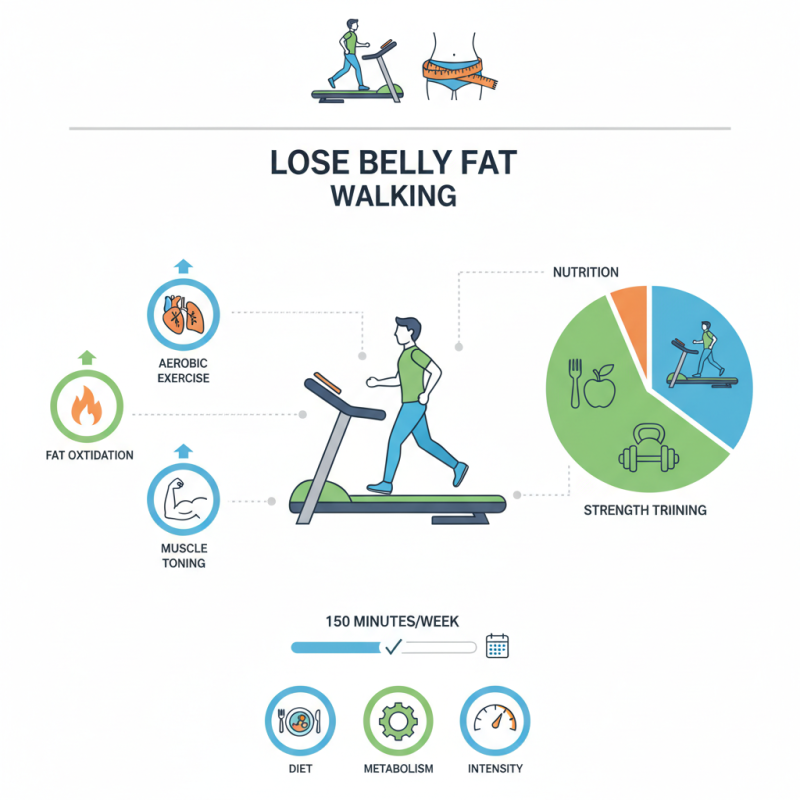
Expert Jillian Michaels says, “Walking can absolutely help reduce belly fat, but it must be part of a broader approach.” This highlights the importance of combining walking with proper nutrition and strength training for optimal results. The CDC suggests adults aim for at least 150 minutes of moderate aerobic activity each week. This guideline emphasizes the role treadmill walking can play in achieving fat loss goals.
However, relying solely on treadmill workouts may not be sufficient for everyone. Individual results can vary based on factors like diet, metabolism, and workout intensity. It's essential to reflect on one’s routine and consider adjustments for efficiency. Walking can be effective, yet understanding one's body and making necessary changes is crucial for real progress in losing belly fat.
Belly fat, or visceral fat, poses significant health risks. It increases the likelihood of conditions like diabetes and heart disease. According to a study published in the Journal of Clinical Endocrinology & Metabolism, excess belly fat is more dangerous than fat in other areas. In fact, individuals with high waist circumference are 50% more likely to develop metabolic syndrome.
Walking on a treadmill can contribute to reducing belly fat. A report from the American Council on Exercise indicated that moderate-intensity walking can burn around 240 calories per hour for an average-weight individual. While this may not seem substantial, it adds up over time, especially when combined with a balanced diet. However, results vary among individuals. Factors like genetics and overall lifestyle also play crucial roles.
Creating realistic goals is essential. Studies show that gradual changes produce better long-term results. Not everyone will achieve a flat stomach. It’s crucial to focus on health improvements rather than solely on aesthetics. Regular treadmill sessions may help, but they should be part of a holistic approach. Keep in mind that consistency is more important than perfection. Adjustments in diet and daily activity further enhance outcomes.
Walking on a treadmill can be a useful tool in your weight loss journey. This form of cardiovascular exercise increases your heart rate and burns calories. When you create a calorie deficit, your body starts to use stored fat for energy. Gradually, this can lead to a reduction in belly fat over time.
The mechanism of fat loss is fascinating. As you walk, your body utilizes both glycogen and fat as fuel. The intensity and duration of your workout play crucial roles. Short, intense sessions burn glycogen first. Longer, steady walks tap into fat stores. Consistency is key here. The body needs time to adapt. You might not see immediate results, which can be discouraging.
Incorporating walking into your routine is not a miracle solution. It requires commitment. Sometimes, you may feel like giving up. Reflect on your progress and stay patient. Consider varying your workouts to keep them engaging and tweak your diet as needed. Every step counts, so keep pushing forward.
Walking on a treadmill can play a significant role in a weight loss program. Research indicates that a regular walking routine can help burn fat, especially around the belly area. A study from the Journal of Obesity reports that engaging in moderate-intensity walking for at least 150 minutes weekly can lead to substantial reductions in waist circumference.
Incorporating treadmill workouts into your routine can be advantageous. It offers a controlled environment and reduces the impact on joints compared to outdoor running. Data shows that a 155-pound person can burn approximately 240 calories in just 30 minutes of walking at a 4 mph pace. However, motivation can fluctuate, making consistency a challenge. Some may find treadmill walking monotonous, which can hinder long-term commitment.
Tracking your progress is crucial. Using fitness apps or journals to document workouts can keep you accountable. A 2020 study highlighted that participants who monitored their exercise habits lost more weight than those who did not. Finding ways to make treadmill workouts more engaging, such as listening to music or setting mini-goals, can enhance adherence. Reflecting on your experience can lead to adjustments that better suit your fitness journey.
Walking on a treadmill can be a great way to lose belly fat, but how does it compare to other forms of exercise? Research indicates that incorporating various workout routines can lead to better results. Treadmill walking is effective for burning calories and improving cardiovascular health. However, activities like strength training and high-intensity interval training (HIIT) also play a crucial role in fat loss.
Treadmill walking is low-impact and easy to incorporate into daily life. It is suitable for beginners and those with joint issues. Consistency is key here. Aim for at least 150 minutes of moderate exercise each week. Mix in some speed intervals. Walking faster for short bursts can increase your calorie burn significantly.
Tips for maximizing treadmill workouts include setting achievable goals. Track your time and distance to see progress. Consider varying your incline to engage different muscle groups. Don't ignore your diet, as nutrition is vital for fat loss. Small changes in your eating habits can complement your treadmill efforts. Make sure to stay hydrated and listen to your body. If you're feeling fatigue, take a break. Reflecting on your workout routine can help you identify areas for improvement. Every step counts on your journey to better health.
This chart compares the effectiveness of treadmill walking, cycling, and strength training in reducing belly fat over a 12-week period, based on percentage change in waist circumference.
Walking on a treadmill can be an effective way to target belly fat. Regular walking helps burn calories and can contribute to overall fat loss. One study published in the "Journal of Obesity" found that walking three to five times a week can help reduce visceral fat, which is linked to various health issues. Aiming for at least 150 minutes of moderate exercise per week may enhance these effects.
To maximize belly fat loss, consider adjusting the intensity of your treadmill workouts. Incorporating interval training can elevate your heart rate, increasing fat-burning potential. For example, alternate between walking at a steady pace and short bursts of a more challenging speed. Research indicates that high-intensity interval training (HIIT) can lead to greater fat loss compared to steady-state cardio.
Focus on your walking form as well. Engage your core muscles while walking. Tighter core muscles help improve posture and enhance exercise efficiency. Additionally, don't underestimate the importance of consistency. Many people give up too soon. Tracking your progress can provide motivation. Celebrate small victories, like a longer walk or increased pace. Small changes can lead to significant results over time.
: Belly fat increases the risk of diabetes and heart disease. It's more dangerous than fat in other areas.
Walking can burn calories and reduce belly fat over time. Even moderate-intensity walking is beneficial.
Gradual changes are key. Focus on health rather than just wanting a flat stomach.
Aim for at least 150 minutes weekly to reduce waist circumference significantly.
Individual results vary based on genetics, lifestyle, and consistency of workouts.
Documenting workouts keeps you accountable and can lead to better weight loss results.
Try listening to music or setting mini-goals. Changing your routine can help prevent monotony.
Consistency is more crucial than perfection. Small, regular efforts yield better long-term results.
Treadmill walking is less impactful on joints compared to outdoor running, making it a safer option.
Reflect on your experience to find ways to make sessions more enjoyable and effective.
The article "Can Walking on a Treadmill Help You Lose Belly Fat?" explores the relationship between treadmill walking and the reduction of belly fat. It begins by explaining the nature of belly fat and its associated health risks, highlighting the importance of addressing it for overall wellness. The article further delves into the mechanisms of fat loss through cardiovascular exercises, emphasizing how activities like treadmill walking can be effective components of a weight loss program.
Moreover, the piece compares the effectiveness of treadmill walking against other forms of exercise, providing insights into its benefits in promoting fat loss. Finally, it offers practical tips for maximizing belly fat loss while walking on a treadmill, encouraging readers to integrate this exercise into their routines. Ultimately, the article answers the question, "Can you lose belly fat by walking on a treadmill?" affirmatively, indicating that when combined with proper nutrition and a consistent exercise regimen, treadmill walking can significantly contribute to losing belly fat.

StepUp Treadmill