Treadmills are popular for home workouts, but they can generate significant noise. This can be an issue for those living in multi-story buildings. A noisy treadmill not only disrupts your focus but also disturbs your neighbors downstairs. According to a 2023 report by the Fitness Equipment Industry Association, equipment noise is a common complaint among condo residents.
Expert John Haynes, a noise reduction consultant, states, "Understanding how sound travels is key to mitigating disturbances." He emphasizes that vibrations from a treadmill can echo through floors, impacting those below. So, how to reduce treadmill noise for neighbors downstairs?
Proper placement of your treadmill on sound-absorbing mats can help absorb vibrations. Regular maintenance, like lubricating the belt, can also minimize noise. Even simple solutions, like choosing the right footwear, can make a difference. Addressing these factors can lead to a quieter workout experience, benefiting both you and your neighbors. Reducing noise requires thoughtful measures. Every little change can contribute to a more harmonious living environment.
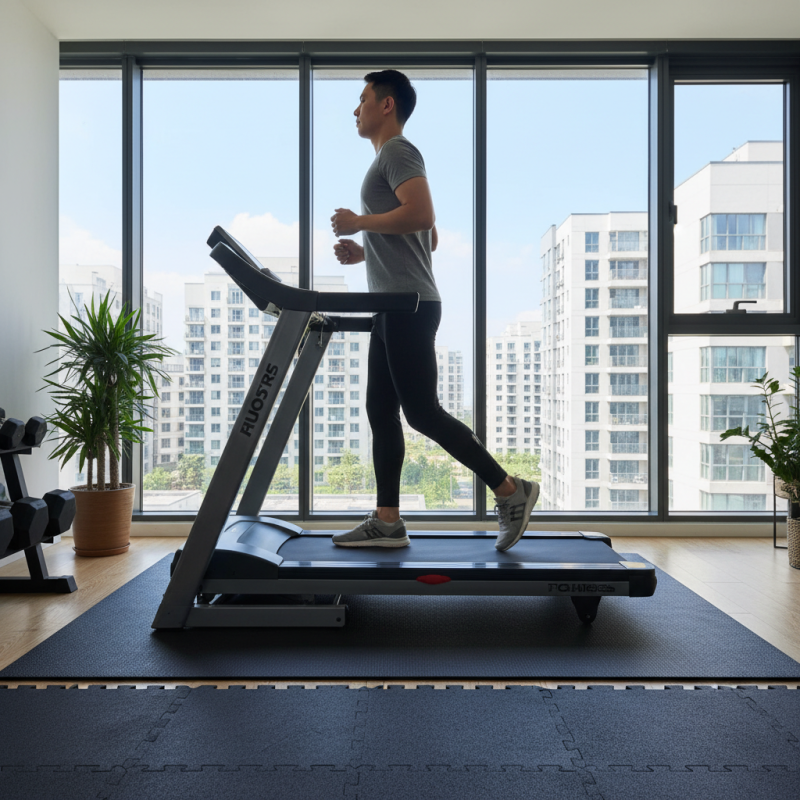
Identifying Common Causes of Treadmill Noise
When a treadmill starts making noise, it can be frustrating. The first thing to check is the belt. If it's too loose, it may cause squeaking or grinding sounds. Regularly lubricating the belt can reduce friction. Ensure the belt's tension is appropriate. A noisy belt may simply need a small adjustment.
Another common cause is the motor. Dust accumulation can lead to louder operation. Cleaning the motor area can help. Listen for unusual sounds while the treadmill is running. If the motor makes a grinding noise, it might indicate a more serious issue. Consulting a professional may be necessary in this case.
Finally, the surface beneath the treadmill plays a role. A hard floor amplifies noise. Using thick mats can dampen sounds. However, don’t overestimate the mat's ability. Check whether the treadmill is balanced. An unlevel machine can create additional noise. Address these issues to minimize disturbance for your neighbors.
Why Is My Treadmill Noisy and How Can I Reduce It for Neighbors?
| Cause of Noise |
Description |
Possible Solutions |
| Belt Misalignment |
The running belt may not be aligned properly, causing it to rub against the frame. |
Adjust the belt alignment according to the manual instructions. |
| Worn Bearings |
Bearings in the motor or rollers may be worn or damaged, resulting in a grinding noise. |
Lubricate or replace the worn bearings as needed. |
| Loose Parts |
Various parts of the treadmill may become loose, leading to rattling or thumping sounds. |
Tighten all screws and bolts to ensure everything is secure. |
| Belt Friction |
The running belt may be too tight or dirty, causing friction and noise. |
Clean the belt and adjust the tension as necessary. |
| Motor Noise |
The motor itself may be noisy due to age or mechanical issues. |
Consider servicing the motor or replacing it if problems persist. |
Evaluating Treadmill Maintenance Practices
Maintaining a treadmill properly is crucial for reducing noise levels. Research shows that regular lubrication of the treadmill belt can significantly mitigate sound. A well-lubricated treadmill operates more quietly, enhancing the user experience and reducing disturbances for nearby individuals. It's recommended to perform this maintenance every three to six months, depending on usage frequency.
Another critical aspect is ensuring that the treadmill is on a stable, flat surface. Uneven ground can amplify noise levels, leading to irritating vibrations. A solid foundation decreases the wear on mechanical parts, which can lead to unwanted sounds. Studies indicate that poorly maintained machines can generate noise levels exceeding 70 decibels, comparable to a vacuum cleaner.
Users might overlook the importance of inspecting components regularly. Loose screws or worn-out parts contribute significantly to the noise. Replacement of old components can also enhance performance and functionality. Many users often neglect these details, which results in a louder experience that can affect neighbors. Investing time in maintenance proves essential for a quieter workout environment.
Implementing Noise-Reducing Modifications
One common concern among treadmill users is noise, especially during early mornings or late evenings. Many factors contribute to the noise levels, including motor sound, belt friction, and the treadmill’s surface. According to a 2022 report by the National Institute of Health, over 60% of home gym equipment users report noise disturbance as a major issue, which can disrupt neighbors.
To reduce noise, modifications can be quite effective. Placing rubber mats beneath the treadmill can absorb vibrations and lessen sound transmission. A study from the American Society of Acoustical Engineers found that such mats reduced noise levels by up to 20 decibels. Regular maintenance, such as lubricating the belt and checking for loose parts, also helps minimize noise. Neglecting these simple upkeep tasks can exacerbate sound issues, leading to excessive disturbances.
Another solution involves using soundproofing panels in the room. These panels can significantly lower the sound spreading to adjacent spaces. A professional survey indicated that soundproofing could reduce perceived noise by up to 30%. Taking small steps can lead to a quieter treadmill experience, ensuring that workout sessions do not become a source of conflict with neighbors.
Exploring Effective Soundproofing Solutions
Treadmills can generate significant noise, which may disturb your neighbors. To address this, soundproofing is essential. Industry reports suggest that the average treadmill emits noise levels between 60 to 78 decibels. This can be comparable to the sound of a vacuum or busy traffic. Understanding these levels helps you choose the right mitigation strategies.
One effective approach to reduce noise involves using mats designed specifically for equipment. These can dampen vibrations and absorb some sound. A study indicated that using heavy-duty foam mats can reduce treadmill noise by up to 30%. Additionally, placing your treadmill on carpet could further decrease impact sound. Consider adding acoustic panels on nearby walls to absorb sound waves as well. They can help create a quieter environment for everyone.
It's worth noting that some noise might still seep through. A treadmill’s motor or belt could create mechanical sounds that mats alone cannot address. Regular maintenance, including lubrication of the belt and checking the motor, can minimize these issues. The goal should always be a comfortable workout without disturbing others. Balancing noise reduction with your exercise routine is a continuous process worth thoughtful adjustment.
Considering Alternative Locations for Your Treadmill
When considering where to place your treadmill, location matters significantly in reducing noise. Studies indicate that home exercise equipment can generate noise levels between 70 to 90 decibels. This is comparable to the sound of a vacuum cleaner or a lawnmower. High noise levels can disturb family members and neighbors, particularly in shared living environments.
An ideal location for your treadmill would be away from shared walls, ideally in a basement or an exercise room. Carpeting can dramatically lower the impact noise. According to a recent report by the American Society of Acoustical Consultants, adding sound-absorbing materials like acoustic panels can also reduce excess sound by up to 30%.
Consider setting up your treadmill on a vibration-dampening mat. These mats can significantly reduce the noise created by the machine's operation. Many users report that such adjustments make a substantial difference. While it might not completely eliminate noise, it will benefit both you and your neighbors. Engaging with your surroundings thoughtfully enhances your workout experience while maintaining a peaceful environment.
Common Treadmill Noises and Their Potential Causes
This chart illustrates the common sources of noise from a treadmill and their respective noise levels measured in decibels. Addressing the louder sources, such as the belt and motor, can significantly help in reducing noise for neighbors.
FAQS
: Treadmills can make noise that disturbs neighbors. Soundproofing reduces this noise effectively.
Treadmills can generate noise between 60 to 90 decibels. It’s similar to a vacuum or lawnmower.
Using heavy-duty foam mats can reduce treadmill noise by up to 30%. They absorb sound and dampen vibrations.
Yes, placing a treadmill on carpet can further decrease impact sound and help create a quieter environment.
Sometimes, mechanical sounds from the motor or belt might remain. Regular maintenance can help minimize these noises.
Placing it away from shared walls is ideal. A basement or dedicated exercise room works best for reducing noise.
Yes, acoustic panels can reduce excess sound by up to 30%. They absorb sound waves effectively.
Use vibration-dampening mats. These make a significant difference in noise levels during your workout.
Complete elimination isn't always possible. The goal is to make thoughtful adjustments for a quieter workout.
Regular maintenance is crucial. Lubricating the belt and checking the motor helps ensure quieter operation.
Conclusion
Treadmill noise can be a significant concern, especially for those living in multi-story homes or apartments. To address the question of "How to reduce treadmill noise for neighbors downstairs?" the article outlines common sources of treadmill noise such as loose parts, inadequate lubrication, and improper placement. Regular maintenance practices like tightening screws and lubricating the belt can help minimize sound.
Additionally, implementing noise-reducing modifications, such as rubber mats or anti-vibration pads, can further dampen noise levels. Soundproofing solutions, including wall panels or blankets, may also be explored to provide an extra layer of sound isolation. Finally, considering alternative locations for your treadmill, such as basements or dedicated workout spaces, can significantly enhance comfort for both you and your neighbors. By following these strategies, treadmill users can enjoy their workouts without disturbing those living nearby.

 StepUp Treadmill