As fitness enthusiasts increasingly turn to home workouts, questions arise regarding energy consumption. One common query is, "How much electricity does a treadmill use per hour?" Understanding this impact becomes crucial, especially in 2026. According to recent industry reports, treadmills can consume between 300 to 700 watts per hour, depending on their design and features.
For those using high-tech models, the energy use may reach the higher end of that scale. The U.S. Department of Energy highlights that running a treadmill for an hour could equate to approximately $0.03 to $0.10 in electricity costs, depending on local rates. This calculation encourages users to consider the operational costs while assessing their fitness routines.
Moreover, the rise in remote work trends has increased treadmill use at home. This shift places more emphasis on energy efficiency. Brands are now focusing on eco-friendly designs that minimize electricity consumption. Still, in a pursuit of better health, it’s vital for consumers to reflect on their equipment's energy usage. Even as technology evolves, knowing how much a treadmill uses should influence purchasing decisions.
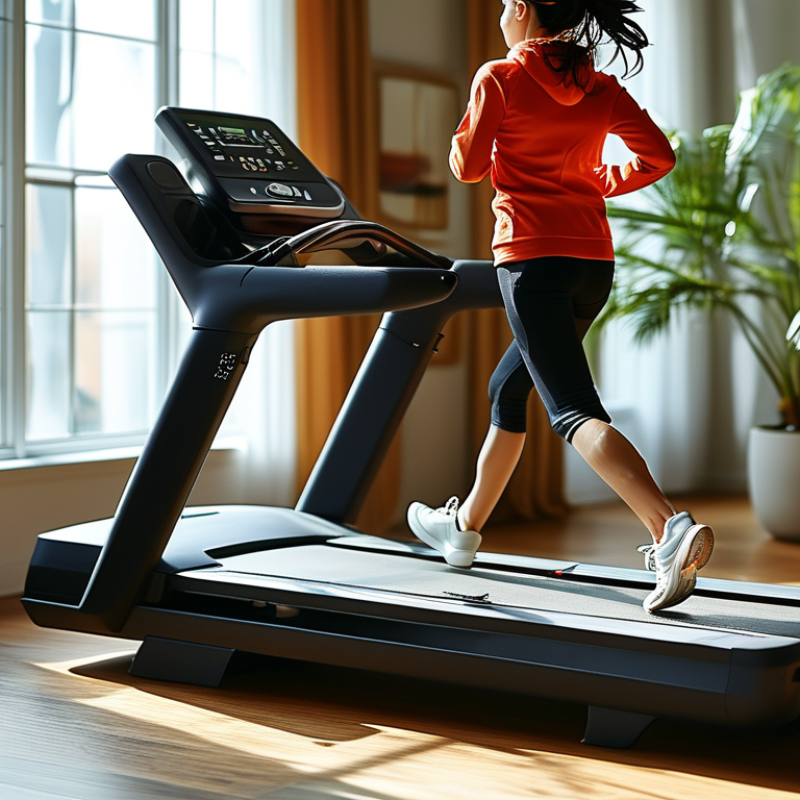
Understanding Treadmill Electricity Consumption in 2026
In 2026, understanding treadmill electricity consumption becomes essential for fitness enthusiasts and eco-conscious individuals alike. A standard treadmill typically uses between 300 to 700 watts per hour of operation, depending on the model and settings. If you run it for an hour daily, this translates to around 10 to 20 kilowatt-hours monthly. However, these figures can vary significantly based on factors like incline settings, speed, and user weight.
It's crucial to be mindful of energy usage. Many users underestimate the costs of running exercise equipment at home. Some treadmills may have energy-saving modes, but these features vary by manufacturer. Not all machines are designed to optimize power consumption. It’s worth reflecting on which settings maximize your workout while minimizing energy expenditure.
Examining your routine can reveal opportunities for improvement. Simple adjustments, like moderating speed or reducing incline, can make a difference. It's a balance between maintaining workout intensity and being energy-efficient. Every choice impacts your electricity bill and the environment. Identifying these small changes can lead to more sustainable workout practices, benefiting both you and the planet.
Electricity Consumption of Treadmills in 2026
This chart illustrates the average electricity consumption of treadmills per hour in 2026. The data points represent different treadmill types and their respective energy usage.
Factors Influencing Treadmill Power Usage
When considering how much electricity a treadmill uses, several factors come into play. The type and model of the treadmill significantly affect power consumption. For example, a basic manual treadmill typically uses less energy than a high-tech electric model. Additionally, treadmills equipped with advanced features, such as touchscreen displays and built-in workout programs, may draw more power.
Body weight and workout intensity are also critical. Heavier users might require more energy to operate the treadmill. Similarly, the duration and intensity of workouts can lead to varying power usage. A high-intensity session may consume more electricity compared to a leisurely walk.
Finding ways to reduce energy consumption while running on a treadmill is essential. Keep sessions efficient; shorter, high-intensity workouts may minimize overall use. Consider using the treadmill during off-peak hours to balance your energy usage. Regular maintenance also plays a role—ensure the treadmill is lubricated and in good condition to optimize performance. Small adjustments can lead to more efficient energy use and less electricity consumption.
Average Power Ratings of Different Treadmill Models
When considering the energy consumption of treadmills in 2026, examining their average power ratings is crucial. Generally, a typical treadmill uses between 300 and 600 watts per hour. However, more advanced models may consume upwards of 700 watts. According to industry reports, this range can vary based on features, such as incline settings and motor size. For instance, treadmills with powerful motors tend to draw more electricity.
It's essential to recognize that not all users will experience the same energy usage. Different workout intensities and durations can affect the total energy consumed. Research suggests that running at a higher speed can increase wattage. A user may run at an average consumption rate of approximately 500 watts per hour, but this could be higher for more intense sessions.
Consider monitoring your workouts. Using a power meter can offer insights into energy consumption. It helps to understand how much electricity your treadmill is using. Additionally, setting a consistent pace may save energy over time. Recognizing these variations allows for more informed decisions regarding treadmill usage. Balancing workouts and energy efficiency can lead to a more sustainable exercise routine.
Calculating Daily and Monthly Electricity Costs for Treadmills
In 2026, understanding the electricity consumption of treadmills is essential for fitness enthusiasts. On average, a treadmill uses between 600 to 900 watts per hour during operation. This figure varies by model and usage intensity. For a clearer estimate, if we consider a treadmill that uses 750 watts, running it for an hour daily translates to 750 watt-hours or 0.75 kilowatt-hours (kWh).
To calculate monthly costs, we can use the national average electricity rate. As of recent data, the average cost per kWh is about $0.13. Therefore, the monthly cost of running that treadmill for one hour a day would be approximately $2.93. That’s $0.13 multiplied by 0.75 kWh per day times 30 days. This expense can add up, especially for those who integrate treadmill workouts into their daily routine.
Despite making fitness accessible at home, many overlook these operational costs. It’s a reminder to balance workout benefits with energy consumption. When purchasing a treadmill, it’s wise to review energy-efficient models. These alternatives could reduce costs and lower environmental impact. Understanding power usage empowers users to make informed decisions.
How Much Electricity Does a Treadmill Use Per Hour in 2026?
| Treadmill Model |
Power Consumption (W) |
Cost Per Hour ($) |
Daily Usage (Hours) |
Monthly Cost ($) |
| Model A |
600 |
0.08 |
1 |
2.40 |
| Model B |
750 |
0.10 |
1.5 |
4.50 |
| Model C |
500 |
0.07 |
2 |
4.20 |
| Model D |
800 |
0.11 |
1 |
3.30 |
Comparative Analysis of Energy-Efficient vs. Standard Treadmills
Treadmills can vary significantly in their electricity consumption. In 2026, energy-efficient models are becoming increasingly popular. These treadmills typically use around 300 to 500 watts per hour. In contrast, standard models might use anywhere from 600 to 900 watts. This difference is crucial for anyone considering long-term energy costs.
Energy-efficient treadmills employ advanced technologies, which reduce power consumption. According to recent industry reports, these models often incorporate regenerative braking systems. This feature not only enhances efficiency but also contributes to a more sustainable workout experience. Users benefit from lower electricity bills and a smaller carbon footprint.
To save electricity while using a treadmill, you can adopt some practical habits. Keep your workout sessions shorter, aiming for high-intensity intervals. Regular maintenance is also important. Dust and dirt can hinder performance and increase energy usage. Finally, consider turning off your treadmill when not in use; this simple action can prevent unnecessary power draw.
FAQS
: A standard treadmill uses between 300 to 700 watts per hour, depending on settings.
Higher incline and speed generally increase power consumption significantly, impacting overall energy usage.
Running a treadmill for an hour daily can cost around $2.93 monthly, depending on usage and local rates.
Some treadmills have energy-saving modes, but their availability varies across different machines and manufacturers.
Small changes, like moderating speed or incline, can lower energy use while still providing an effective workout.
Using a power meter helps track energy consumption and offers insights for more sustainable operation.
It helps users balance workout intensity with energy efficiency, reducing costs and environmental impact.
No, energy consumption varies based on workout intensity, duration, and user characteristics like weight.
Intense workouts generally consume more energy, leading to higher costs on your electricity bill over time.
Yes, energy-efficient models can lower both operational costs and environmental footprint, which is worth considering.
Conclusion
The article titled "How Much Electricity Does a Treadmill Use Per Hour in 2026?" explores the factors influencing treadmill electricity consumption and provides insights into the average power ratings of various treadmill models. To answer the question, "How much electricity does a treadmill use per hour?", the article breaks down energy usage according to model specifications, user settings, and incline adjustments.
Additionally, it outlines how to calculate daily and monthly electricity costs based on usage patterns, allowing users to better understand their energy expenditures. A comparative analysis of energy-efficient and standard treadmills is also presented, highlighting the long-term financial and environmental benefits of choosing energy-efficient models. This comprehensive overview equips readers with essential information to make informed decisions about their treadmill choices in 2026.

 StepUp Treadmill