Can a Treadmill Be Stored in a Cold Garage?

Time:2026-10-02 Author:Isabella
0%

Can a treadmill be stored in a cold garage? The short answer is yes, but only with careful preparation. Cold temperatures can affect belts, motors, displays, lubricants, and electronic sensors. A garage may look dry, yet overnight temperature changes can create condensation inside the console. That hidden moisture is the real concern.

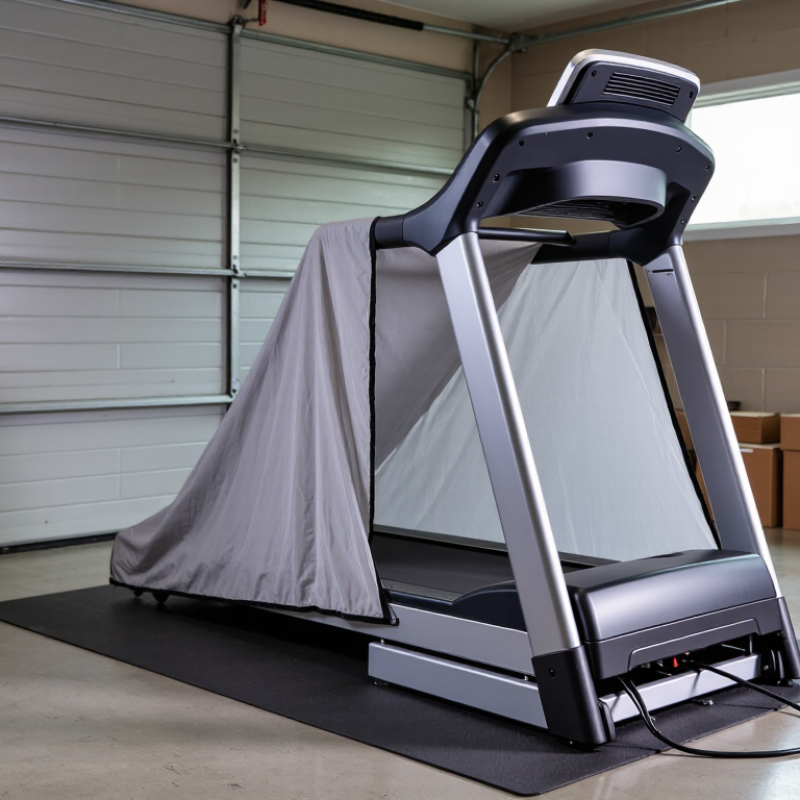
Fitness-equipment technician Martin D. Smith explains, “Cold storage is manageable when moisture is controlled, but condensation can damage electronics faster than cold alone.” His advice reflects a practical servicing concern. A treadmill should never sit directly on a concrete floor. Place it on a raised platform or thick rubber mat. Keep it away from garage doors, leaking walls, and unsealed windows. Cover it with a breathable cover, not plastic wrapped tightly around the machine.

Before storage, clean dust from the motor area and check the walking belt. Excess lubricant may attract grit. Too little lubricant can increase friction after storage. Follow the manufacturer’s temperature and storage instructions, because designs differ. Some models tolerate unheated spaces better than others.

Allow the treadmill to reach room temperature before plugging it in. This step may feel unnecessary. It is not. Inspect the power cord, display, and belt for moisture or cracking. Then run the treadmill slowly without stepping on it. Listen for grinding, clicking, or uneven movement.

I would not call every cold garage safe. The answer depends on humidity, insulation, and maintenance. A dry, stable garage can work. A damp garage can quietly shorten the treadmill’s life. Proper storage requires more than covering the machine and hoping for the best.
Can a Treadmill Be Stored in a Cold Garage?

Cold-Garage Conditions That Affect Treadmill Storage

Can a treadmill be stored in a cold garage? Usually, but cold-garage conditions can quietly damage it. Cold air matters. Temperatures below freezing can thicken belt lubricant and make the running belt feel stiff. Batteries, display panels, and circuit boards may also react poorly to repeated freezing and thawing.

Moisture is worse. Warm indoor air entering a cold garage can create condensation on rollers, motor parts, and electrical contacts. A damp concrete floor adds risk. Keep the treadmill raised on a dry platform, away from the garage door, and covered with a breathable sheet. Avoid sealed plastic, which can trap moisture around the frame and deck.

Before using it, let the machine reach room temperature for several hours. Wipe visible moisture away, inspect the power cord, and check that the belt moves freely by hand. Do not switch it on while condensation remains. The user manual should guide temperature limits and lubrication intervals. One maintenance mistake I underestimated was storing equipment beside a wall with seasonal leaks. The treadmill looked dry, yet corrosion appeared underneath. A small humidity meter and occasional inspection can reveal conditions that eyesight misses. If the garage regularly freezes, a heated, dry storage area is safer than relying on a cover alone.

Can a Treadmill Be Stored in a Cold Garage?

Cold-garage conditions can affect treadmill electronics, lubricants, belts, and metal parts. The chart shows how much water vapor air can hold at different temperatures when fully saturated.

What this means: Cold air holds much less moisture than warm air. When a cold treadmill is moved into a warm, humid room, moisture can condense on electrical components and metal surfaces. Allow the treadmill to reach room temperature before plugging it in, keep the garage dry, and follow the equipment manual for minimum storage temperatures.

Values are approximate water-vapor density at 100% relative humidity, based on standard atmospheric humidity relationships.

Temperature and Humidity Limits for Treadmill Components

Can a Treadmill Be Stored in a Cold Garage?

A cold garage can store a treadmill, but temperature swings matter more than one chilly night. Many units tolerate storage near freezing, yet they should not be operated immediately after exposure. Always check the equipment manual for its storage and operating limits. Those numbers differ. A cautious working range for use is often about 50°F to 95°F (10°C to 35°C), unless the manual allows more.

Condensation is the real trouble. When a cold treadmill enters warm air, moisture can form inside the motor housing, control board, and display. That hidden water may cause corrosion or electrical failure. Let the machine warm naturally for at least several hours before plugging it in. Do not use a heater or hair dryer. Rapid heating can create more condensation.

Keep the treadmill off bare concrete, where cold and dampness collect. A raised platform helps.

Humidity deserves equal attention. Aim for roughly 30% to 70% relative humidity, with stable conditions whenever possible.

Avoid garages with leaks, heavy condensation, or frequent temperature changes. Cover the treadmill with a breathable fabric cover, not sealed plastic against a damp surface. Inspect the walking belt, rollers, and power cord after storage. A stiff belt may need time to loosen.

I would rather wait too long than guess. That caution is inconvenient, but replacing a damaged control board is worse.

Steps to Prepare a Treadmill Before Moving It Into a Cold Garage

Before moving a treadmill into a cold garage, check its manual for minimum storage and operating temperatures. Cold itself is rarely the only problem; moisture and sudden temperature changes cause more trouble. Unplug the machine, remove the safety key, and let the motor cool completely. Wipe the deck, belt edges, frame, and console with a dry cloth. Even a thin sweat film can become condensation later. Keep it dry.

Lock or fold the walking platform only as the instructions allow. Secure the console, power cord, and loose accessories with soft ties, not tight knots. Do not add lubricant just because the garage is cold. Use the specified lubricant and amount, if the manual requires it. A moving blanket can protect painted surfaces, while sealed plastic wrap may trap moisture. Leave ventilation around the machine. Move it with two adults, especially across thresholds or uneven concrete. I would not improvise with a narrow dolly; one dropped treadmill can damage its frame.

Choose a raised, level spot away from garage doors, heaters, windows, and dripping pipes. Place rubber pads beneath the feet if the floor is damp or rough. After arrival, leave the treadmill unplugged until it reaches room temperature. This may take several hours, or overnight after a very cold move. Inspect for water droplets, stiff belts, or cracked plastic before reconnecting power. The cautious step is easy to skip. It is also the one most likely to prevent an electrical fault. If storage lasts weeks, check the cover and floor periodically; garage conditions change more than expected.

Safe Ways to Protect and Cover the Stored Treadmill

A treadmill can usually rest in a cold garage, but moisture causes more trouble than low temperature. Condensation may form when cold equipment meets warmer air. It can affect the motor, control panel, belt, and metal frame. Unplug the treadmill before moving or covering it. Fold and lock it only if the manual allows this position. Keep it away from garage doors, leaking walls, and direct sunlight.

Keep it dry. Raise the treadmill slightly from a concrete floor with a stable platform. Concrete can transfer dampness into the frame. Wipe the machine completely before storage, especially around the belt edges and handrails. A breathable treadmill cover or thick cotton sheet can block dust without trapping as much moisture. Avoid wrapping the machine tightly in plastic. That mistake is common. Plastic may protect against drips, yet it can hold condensation against the electronics.

Leave space around the motor housing and console. Do not place boxes on top of the covered treadmill. A moisture absorber nearby may help in a damp garage, but never put loose materials inside the motor area. Check the treadmill every few weeks for rust, insects, damp spots, or a stale smell. I would also inspect the belt before storage; a slightly dirty belt can become harder to clean later. Before using it again, move the treadmill indoors and let it reach room temperature for several hours. Then inspect the power cord, belt alignment, and frame. If moisture appears, wait longer and dry the surface before reconnecting power.

How to Inspect and Restart a Treadmill After Cold Storage

Can a Treadmill Be Stored in a Cold Garage?

Before restarting a treadmill after cold storage, move it indoors and wait. Cold metal can attract condensation when exposed to warmer air. The ASHRAE Handbook—Fundamentals reports that air at 20°C and 60% relative humidity has a dew point near 12°C. Surfaces below that temperature may collect moisture. Do not connect power while the console, motor cover, or wiring feels damp. I learned this the hard way with a garage tool: the outside looked dry, but moisture remained inside.

Inspect the power cord, plug, grounding pin, frame, rollers, and belt edges. Look for rust, cracked insulation, swollen circuit boards, or small water marks. Rotate the walking belt by hand. It should move smoothly, without scraping or tight spots. Check the belt deck for dryness, but use only the lubricant specified in the equipment manual. ASTM F2115, the treadmill safety specification, emphasizes stable operation and secure construction; a loose fastener deserves attention before testing.

Reconnect power only after the machine reaches room temperature, ideally for 24 hours. Start it at the lowest speed with nobody standing on the belt. Listen for clicking, humming, or uneven acceleration. Stop immediately if the belt slips or smells hot. I would not remove the motor cover unless qualified, because stored dust and hidden moisture can make a simple restart less predictable. Record the inspection date and any unusual noise for later review.

FAQS

Can a treadmill stay in a cold garage?

Usually, yes, if the manual permits the temperature. Moisture and sudden temperature changes are bigger concerns. Check the manual first.

What should I do before moving the treadmill?

Unplug it and remove the safety key. Let the motor cool completely. Wipe sweat from the deck, belt edges, frame, and console. Keep it dry.

Should I fold the treadmill before moving it?

Fold and lock the platform only if the manual allows it. Secure the console, cord, and accessories with soft ties. Avoid tight knots.

Does a cold garage require extra lubricant?

No. Use lubricant only when the manual requires it. Follow the specified type and amount. Guessing here could create another problem.

How can two adults move the treadmill safely?

Use two adults, especially across thresholds or uneven concrete. A moving blanket can protect painted surfaces. A narrow improvised dolly may damage the frame.

Where should the treadmill sit in the garage?

Choose a raised, level spot away from doors, heaters, windows, and dripping pipes. Rubber pads can separate the feet from damp concrete. Keep ventilation around it.

What cover is safest for long storage?

Use a breathable cover or thick cotton sheet to block dust. Avoid tight plastic wrapping. Plastic can trap condensation against electronics and metal parts.

When can I reconnect power after moving it?

Leave it unplugged until it reaches room temperature. This may take several hours or overnight. Check for droplets, stiff belts, cracked plastic, and cord damage. Wait longer if moisture appears.

How often should I inspect a stored treadmill?

Check it every few weeks for rust, insects, damp spots, and stale smells. Inspect the floor and cover too. Garage conditions change more than expected.

What common storage mistake should I avoid?

Do not place boxes on top of the covered treadmill. Never put loose moisture absorbers inside the motor area. I might skip the cautious inspection, but that shortcut can cause trouble.

Conclusion

Can a treadmill be stored in a cold garage? Yes, but only with careful preparation and protection. Low temperatures, condensation, dust, and changing humidity can affect the motor, belt, display, wiring, lubricants, and metal parts. Before moving the treadmill, unplug it, clean and dry every surface, remove loose accessories, and allow it to reach room temperature if it has recently been used. Check the manufacturer’s recommended temperature and humidity limits when available, and avoid storing the machine where temperatures regularly fall below freezing or moisture can collect.

Place the treadmill on a dry, level surface away from leaks, windows, and exterior walls. Use a breathable protective cover rather than sealing it tightly in plastic, which can trap condensation. Keep the area ventilated and avoid placing heavy items on the machine. After cold storage, bring the treadmill indoors or let it warm gradually before reconnecting power. Inspect the belt, deck, cables, bolts, and display for moisture or damage, then test it at low speed before normal use. If anything appears unusual, stop operation and arrange professional service.

Isabella

Isabella

Isabella is a dedicated marketing professional with a sharp focus on driving brand growth and engagement through strategic content creation. With an extensive background in digital marketing, she combines her passion for storytelling with her keen understanding of industry trends to deliver......