Running on a treadmill can be a great workout, yet for many, it leads to an unpleasant question: "Why do my knees hurt after running on a treadmill?" This discomfort is a common concern. It can stem from various factors, including improper form, overuse, or poor shoe choices.
Treadmills offer a controlled environment for running, but they can also mask underlying issues. Many runners may not notice their posture or stride. Consistent knee pain can indicate serious problems that require attention. Often, people ignore their body's signals, pushing through the pain.
It's crucial to listen to these signals to avoid further damage. Understanding the root of your knee pain can enhance your running experience. With the right knowledge, you can adjust your routine and footwear. This could lead to pain-free running sessions on the treadmill. Consider your experiences, and don’t hesitate to seek professional advice. Your knees will thank you for it.
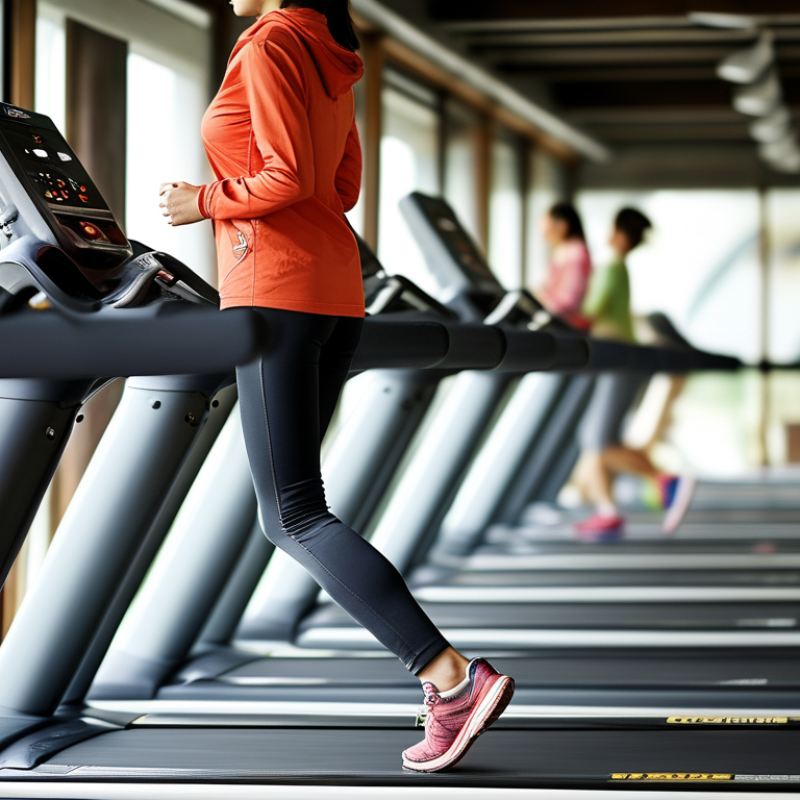
Knee pain after running on a treadmill is a common issue many face. According to the American Academy of Orthopaedic Surgeons (AAOS), approximately 25% of runners experience knee problems at some point in their lives. This pain can stem from various sources, often due to improper form or inadequate warm-up routines.
Biomechanics plays a crucial role in running. A study published in the Journal of Sports Sciences highlighted that individuals who run with poor posture are more prone to injuries. Overstriding is a frequent mistake. Runners often land too hard on their knees, which exacerbates pain and discomfort. Additionally, running on a treadmill can lead to an unnatural stride, increasing stress on knee joints.
Footwear is another critical element. A survey conducted by the British Journal of Sports Medicine emphasized that 60% of runners do not wear appropriate shoes. Wearing worn-out or improper shoes can amplify knee pain and lead to chronic conditions. Runners should assess their footwear regularly and consider seeking advice from a physical therapist to address biomechanical issues.
This chart illustrates the common causes of knee pain among treadmill runners. The data represents the percentage of runners experiencing each type of knee issue after running.
Running on a treadmill is a popular choice. However, many runners experience knee pain afterward. Understanding the common causes can help you prevent injury and enjoy your workout.
One frequent issue is improper footwear. Worn-out shoes lack support and cushioning. They can lead to misalignment during each stride. Choose shoes that fit well and provide adequate support for your running style. Poor running form can also contribute to knee pain. If you land heavily on your knees or overstride, it puts extra stress on your joints. Focus on maintaining a balanced form. Keep your feet under your body while running.
Tips: Incorporate strength training to support your knees. Exercises targeting the quadriceps, hamstrings, and calves promote stability. Stretching is also crucial. It enhances flexibility and reduces tension in the muscles around the knee.
Sometimes, runners ignore discomfort until it becomes severe. Listening to your body is important. If you feel persistent pain, consider reducing your mileage or intensity. Consulting a healthcare professional can provide personalized advice and treatment options.
Running on a treadmill can sometimes lead to knee pain. Understanding how to prevent this discomfort is crucial for any runner. Adjusting your running form is one of the first steps to take. Ensure your knees are aligned with your toes. This simple adjustment can reduce stress on your joints.
Warm-up thoroughly before each session. A few minutes of light stretching or brisk walking can prepare your muscles. This preparation may help limit the risk of injury. Pay attention to your shoes as well. Worn-out shoes can exacerbate knee pain. Look for shoes that provide good cushioning and support.
Listen to your body. If pain persists, consider how often you run on the treadmill. Striking a balance could be key. Cross-training with low-impact exercises might provide relief. It helps build strength without aggravating your knees. Inadequate rest can have consequences too. Take breaks to let your body recover. Adjusting these habits may help you run pain-free.
Experiencing knee pain after running on a treadmill is common. Many individuals overlook their body’s signals. Ignoring this discomfort can lead to chronic issues. Addressing the pain is vital for long-term health.
Rest is a critical first step. Give your knees a break. Apply ice to reduce inflammation. Stretching before and after your run can improve flexibility. Strengthening exercises are worth exploring. Focus on your quadriceps, hamstrings, and calves. These muscles support your knees. Sometimes, adjusting your running form is necessary. Poor technique can exacerbate knee pain.
Consulting a physical therapist may offer tailored solutions. They can provide exercises specific to your needs. A professional assessment can pinpoint the issue. In some cases, using supportive running shoes is essential. Each body is unique, and solutions may vary. Finding what works for you often requires reflection. Consider keeping a running journal to track pain and progress.
| Causes of Knee Pain | Symptoms | Treatment Options | Preventive Measures |
|---|---|---|---|
| Improper Running Form | Sharp pain during running | Physical therapy and gait analysis | Strengthening exercises for legs |
| Overuse or Strain | Stiffness after resting | Rest and ice application | Gradual increase in running distance |
| Poor Footwear | Swelling around the knee | Choosing the right shoes | Regularly replacing worn-out shoes |
| Previous Injuries | Dull aching sensation | Consultation with a physician | Warm-up and cool-down routines |
| Knee Conditions (e.g., Arthritis) | Chronic pain during activities | Pain relief medications | Low-impact exercises (e.g., swimming) |
Knee pain after running on a treadmill can be a common issue. It's crucial to monitor the pain. If it persists or worsens, professional help is necessary. Sometimes, pain signifies an underlying issue that needs attention. Ignoring these signals can lead to more serious injuries.
Pay attention to the type of pain. Is it sharp or dull? Does it occur during or after running? Make notes about the frequency and intensity of the pain. This information can aid healthcare professionals in diagnosing the problem.
Tips: Consider mixing in strength training with your running routine. Strengthening your leg muscles may provide more support for your knees. Also, ensure proper treadmill setup. Adjust the incline and speed to suitable levels. Gradually increase your running distance to prevent strain. Listening to your body is key; if something feels off, don’t push through the pain.
: Adjust your running form to align your knees with your toes. This reduces joint stress.
A proper warm-up prepares your muscles and limits injury risk. A few minutes of light stretching helps.
Worn-out shoes can worsen knee pain. Choose shoes with good cushioning and support for better comfort.
Take a break from running. Balance your frequency and consider cross-training with low-impact exercises.
Rest your knees and apply ice to reduce inflammation. Stretching and strengthening exercises may help too.
If the pain persists or worsens, consult a professional. Ignoring pain can lead to more serious injuries.
Keeping a running journal helps identify patterns. This information may aid professionals in finding solutions.
Strengthening your quadriceps, hamstrings, and calves supports your knees. This can alleviate and prevent pain.
Ensure proper setup for incline and speed. Gradually increasing running distance helps prevent strain on your knees.
Listen to your body. Don’t push through pain; it’s important to prioritize your health and wellbeing.
Many runners often find themselves asking, "Why do my knees hurt after running on a treadmill?" Understanding the underlying causes of knee pain is essential for addressing this common concern. Factors such as improper form, overuse, inadequate footwear, and pre-existing conditions can contribute to discomfort during or after treadmill workouts. Identifying these causes can help runners take preventative measures, such as strengthening exercises, proper warm-ups, and selecting appropriate surfaces or shoes to reduce impact.
If knee pain persists, effective treatment options include rest, ice, and physical therapy to alleviate discomfort. It is also crucial to know when to seek professional help, particularly if pain is severe or accompanied by swelling, as early intervention can prevent further injury and ensure a healthier running experience.

StepUp Treadmill