China Top Treadmill How to Tighten a Loose Belt?

Time:2026-10-12 Author:Isabella
0%

A loose treadmill belt can turn a smooth workout into a jerky, uncertain experience. Each footstep may hesitate, while the belt drifts toward one side. For readers searching “How to tighten a loose treadmill belt?”, the answer requires more than turning two rear bolts. Correct tension protects the motor, rollers, deck, and user.

Industry data shows why dependable maintenance matters. Grand View Research reports continued growth in the global treadmill market, supported by rising home-fitness adoption. The International Health, Racquet & Sportsclub Association’s 2024 Global Report also describes sustained participation across fitness facilities. More machines mean more belts needing careful adjustment. Larry Miller, founder of Treadmill Doctor, warns, “A loose belt can slip, but an over-tightened belt can damage the motor and rollers.” His practical point is important: small adjustments are safer than force.

This guide explains how to tighten a loose treadmill belt with a hex key, a clean deck, and patience. Unplug the machine first. Then inspect the belt for stretching, fraying, dust, or uneven tracking. Turn both rear adjustment bolts equally, usually one-quarter turn at a time. Test the belt at low speed after every adjustment. It should move smoothly beneath your feet, without hesitation or loud scraping.

That sounds simple. It is not always.

A belt may feel loose because the deck is dry, worn, or contaminated. Tightening it blindly can hide the real fault. Manufacturer manuals remain the most reliable reference for bolt direction, tension, and lubrication. When symptoms continue, a qualified fitness-equipment technician should inspect the treadmill. A careful repair is slower, but usually cheaper than replacing a motor.
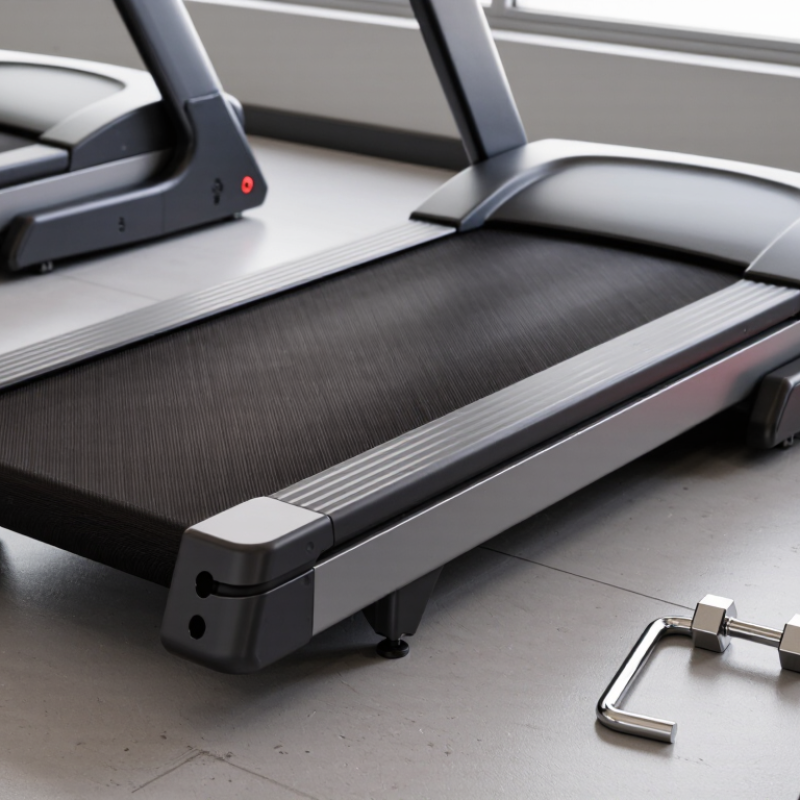
China Top Treadmill How to Tighten a Loose Belt?

Understanding Why a Treadmill Belt Becomes Loose

China Top Treadmill: How to Tighten a Loose Belt?

Understanding Why a Treadmill Belt Becomes Loose

A loose treadmill belt usually reflects friction, stretching, or poor alignment. Each footstrike pulls the belt across the deck, creating heat and resistance. Over time, the belt may lengthen slightly, while worn rollers can reduce tracking stability. Excessive lubricant can also make the belt slip instead of move smoothly. Humidity and dust matter too. Small details matter.

The U.S. Consumer Product Safety Commission’s 2021 NEISS estimates linked treadmills with about 22,500 emergency-department-treated injuries. A loose belt may increase hesitation, slipping, or sudden speed changes. ASTM F2115-22 addresses safety and performance requirements for fitness equipment, including treadmill design considerations. These figures do not prove that looseness caused every incident, but they justify careful maintenance.

Unplug the treadmill before inspection. A commonly used check is lifting the belt near its center; many service guides allow roughly 5–7 centimeters of lift, but the equipment manual remains authoritative. If the belt lifts much higher, turn both rear roller bolts equally, using small quarter-turn adjustments. Run the treadmill slowly and observe whether the belt stays centered. Stop if it drifts, squeals, or jerks. I have found that tightening too much is an easy mistake. It increases motor load and may damage the deck. Persistent slack can indicate a stretched belt, worn roller, or damaged tension hardware, requiring qualified service.

Preparing the Treadmill for Safe Belt Adjustment

China Top Treadmill: How to Tighten a Loose Belt?

Preparing the Treadmill for Safe Belt Adjustment

Before tightening a treadmill belt, prepare the machine and the surrounding area. Disconnect the power cord completely. Do not rely only on the console switch. Place the treadmill on a firm, level floor with clear space around its sides and rear. Keep children and pets away during the adjustment.

Let the walking belt cool before inspection. A warm belt may feel tighter than it really is. Remove loose clothing, jewelry, and anything that could enter the rollers. Check the belt, deck, rear roller, and adjustment bolts for cracks, heavy wear, or unusual movement. Your instruction manual should confirm the correct bolt location and adjustment method.

Use the correct hex key or wrench. A poor-fitting tool can damage the bolt head. Mark the original bolt position with a pencil. This small record helps you notice excessive movement later. In maintenance work, adjustments should be equal on both rear bolts. Turn each side only a small amount, often one-quarter turn, unless the manual specifies otherwise.

Do not rush this part. I once assumed a loose belt only needed more tension, but uneven tracking caused the real problem. That mistake was avoidable. After preparation, keep the power disconnected until every tool is removed and the belt area is clear. A careful inspection may reveal that replacement, not tightening, is the safer choice.

Locating and Adjusting the Rear Roller Bolts

China Top Treadmill: How to Tighten a Loose Belt?

A loose treadmill belt often shows three clues: slipping underfoot, delayed movement, or visible side drift.

Unplug the treadmill before touching the rear roller bolts. Keep fingers away from the roller and drive belt.

The U.S. Consumer Product Safety Commission’s NEISS injury surveillance data consistently places treadmills among exercise-equipment injury sources, with annual estimates reaching tens of thousands. That makes careful adjustment more than routine maintenance.

Stand behind the machine and locate the two bolts at the rear roller. Turn both bolts clockwise by one-quarter turn, using equal adjustments. Count each movement.

Uneven turns can shift the belt toward one rail. Walk the belt at low speed for two minutes, then inspect its position. Repeat only when necessary.

ASTM F2115-20 addresses safety requirements for motorized treadmills, including guarding and operational stability, but it does not replace the equipment manual.

A belt should feel firm, not rigid. Excessive tension can increase motor load, deck friction, and roller wear.

I have found that one quarter-turn often feels insignificant, yet several small adjustments can quickly become excessive.

If the belt still slips, check lubrication, belt wear, and drive-pulley alignment. Do not compensate for a damaged belt by tightening the rear bolts further.

The adjustment is simple, but my first attempt was too aggressive. That mistake is worth remembering.

Checking Belt Alignment and Proper Tension

China Top Treadmill: How to Tighten a Loose Belt?

A loose treadmill belt often begins with poor alignment, not insufficient tension. Unplug the machine first. Lift the belt and inspect both edges. The gap should look similar on each side. If one edge drifts inward, adjust the rear roller gradually. Turn one bolt by a quarter turn, then walk the belt slowly. Repeat on the opposite side only when necessary. Small changes matter.

The 2024 IHRSA Global Report recorded roughly 184 million fitness-facility members worldwide in 2023. Frequent treadmill use makes correct tracking a practical safety concern. ASTM F2115 and ISO 20957-1 emphasize stable running surfaces and controlled equipment performance. They do not provide one universal tension value. Follow the treadmill’s service specification instead. A belt that stops briefly under your foot may need adjustment. A belt that feels rigid or overheats may already be too tight.

I once tightened both rear bolts equally and assumed the job was complete. The belt became quieter, but its center shifted after several minutes. That was a useful mistake. Tension must be checked while the belt runs unloaded, then tested at walking speed. Place one foot on each side rail. Never stand on a moving, uncertain belt. Stop if slipping continues. Check the deck, roller, and underside for dust. A clean surface improves inspection, though it cannot repair worn components. Record each quarter-turn. It makes later correction less confusing.

China Top Treadmill: How to Tighten a Loose Belt?

Checking Belt Alignment and Proper Tension

A common manual check is to lift the walking belt at its center. A reference lift of approximately 50–75 mm (2–3 inches) is widely used for many treadmill designs, but the equipment manual should always take priority. Measure both sides at the same point: similar readings indicate better alignment, while a large difference suggests that one rear roller adjustment bolt needs correction. Tighten both bolts in small, equal increments and recheck the belt after each adjustment.

Testing the Treadmill After Tightening the Belt

After tightening a loose treadmill belt, testing is more important than the adjustment itself. A belt may feel firm by hand but still drift during movement. I reconnect the power and stand beside the running surface before stepping on it. This position gives me room to stop the machine safely.

I begin at the lowest speed for two minutes. I watch whether the belt remains centered between the side rails. The belt should move smoothly without scraping, pulsing, or producing sharp rubbing sounds. I also check the walking surface for sudden hesitation. Then, I increase the speed gradually and walk for several minutes. The motor should respond evenly when my weight shifts from one foot to the other. Keep the emergency stop device within reach.

Do not over-tighten the belt. Excess tension can strain the motor and make the deck feel unusually hard. I once judged the adjustment by sound alone. That was my mistake. The belt sounded quiet but slowly moved toward the left rail under load. After stopping the treadmill, I unplugged it and made a very small correction. I tested it again at walking speed, then at a moderate pace. Finally, I inspected the belt edges and fasteners after the machine cooled. A short test may miss problems that appear after several minutes. Careful observation matters more than rushing the process.

FAQS

Why does a treadmill belt become loose?

Friction, repeated foot strikes, and heat can gradually stretch the belt. Dust, humidity, worn rollers, and excess lubricant may also cause slipping. Small details matter.

How can I check whether the belt is too loose?

Unplug the treadmill completely before inspection. Lift the belt near its center and compare the movement with the manual. Many guides allow approximately five to seven centimeters of lift. The manual remains authoritative.

What should I do before adjusting the belt?

Place the treadmill on a firm, level floor. Clear space around the sides and rear. Remove loose clothing, jewelry, and nearby objects. Keep children and pets away.

How should I tighten a loose treadmill belt?

Use the correct hex key or wrench. Turn both rear roller bolts equally, using small quarter-turn adjustments. Mark the original bolt positions with a pencil. Do not rush.

Why must both rear bolts be adjusted equally?

Unequal adjustments can push the belt toward one side. The belt may then scrape a rail or drift during walking. Even small differences matter. I once blamed looseness when alignment caused the real problem.

How can I tell if the belt is over-tightened?

Excess tension can increase motor load and damage the deck. The walking surface may feel unusually hard. The motor may sound strained during movement. Tightening too much is an easy mistake.

How should I test the treadmill after adjustment?

Reconnect power only after removing every tool. Stand beside the running surface during the initial test. Start at the lowest speed for about two minutes. Watch for drifting, scraping, pulsing, jerking, or sudden hesitation.

What should I do if the belt still slips or drifts?

Stop the treadmill and disconnect power again. Inspect the belt edges, deck, rear roller, and adjustment hardware. Persistent slack may indicate stretching, worn rollers, or damaged tension parts. Replacement may be safer than further tightening.

Conclusion

A loose treadmill belt can reduce workout stability, create slipping, and cause uneven movement. This usually happens because of normal use, belt stretching, or gradual loosening of the rear roller bolts. Before making any adjustment, switch off and unplug the treadmill, place it on a stable surface, and allow the belt to stop completely. Knowing “How to tighten a loose treadmill belt?” begins with safe preparation and careful inspection.

Locate the adjustment bolts at the rear of the treadmill. Turn both bolts gradually and equally, using small increments to increase belt tension without over-tightening it. After each adjustment, check that the belt remains centered and moves smoothly between the rollers. A properly tensioned belt should lift slightly from the running deck but should not feel excessively tight. Finally, reconnect the power and test the treadmill at a low speed, observing for slipping, drifting, unusual noise, or hesitation. Make minor adjustments if necessary until the belt runs evenly and safely.

Isabella

Isabella

Isabella is a dedicated marketing professional with a sharp focus on driving brand growth and engagement through strategic content creation. With an extensive background in digital marketing, she combines her passion for storytelling with her keen understanding of industry trends to deliver......