China Top Home Treadmill Manufacturers: How Long Do They Last? This question matters before comparing factories, prices, or warranty promises. How long does a home treadmill usually last? In practical household use, a well-built treadmill may operate reliably for seven to twelve years. However, that range is not a universal industry guarantee. User weight, weekly mileage, motor design, belt quality, ventilation, and maintenance can change the result dramatically.
The American College of Sports Medicine recommends regular aerobic activity for adults, often creating thousands of belt cycles each year. The World Health Organization also recommends 150 to 300 minutes of moderate activity weekly. That usage can expose weak components quickly. A treadmill running in a dusty room may develop belt drag, roller noise, or controller faults long before its frame shows wear. ASTM F2115, a fitness-equipment safety guide, highlights the importance of stable construction, user protection, and responsible equipment design. Safety is not the same as longevity.
Industry market reports from Grand View Research and Fortune Business Insights describe continued growth in home fitness equipment demand, but they do not prove a specific treadmill lifespan. That distinction deserves attention. Some manufacturers advertise ten-year frame warranties, yet offer much shorter coverage for motors, electronics, and labor. The warranty deserves closer reading. For this reason, evaluating China’s top home treadmill manufacturers requires more than checking factory photos. Buyers should examine motor ratings, continuous-duty performance, spare-parts availability, service records, belt-deck materials, and independent testing. Even experienced buyers can misjudge durability. A quiet treadmill today may not remain quiet after five years of neglected lubrication.
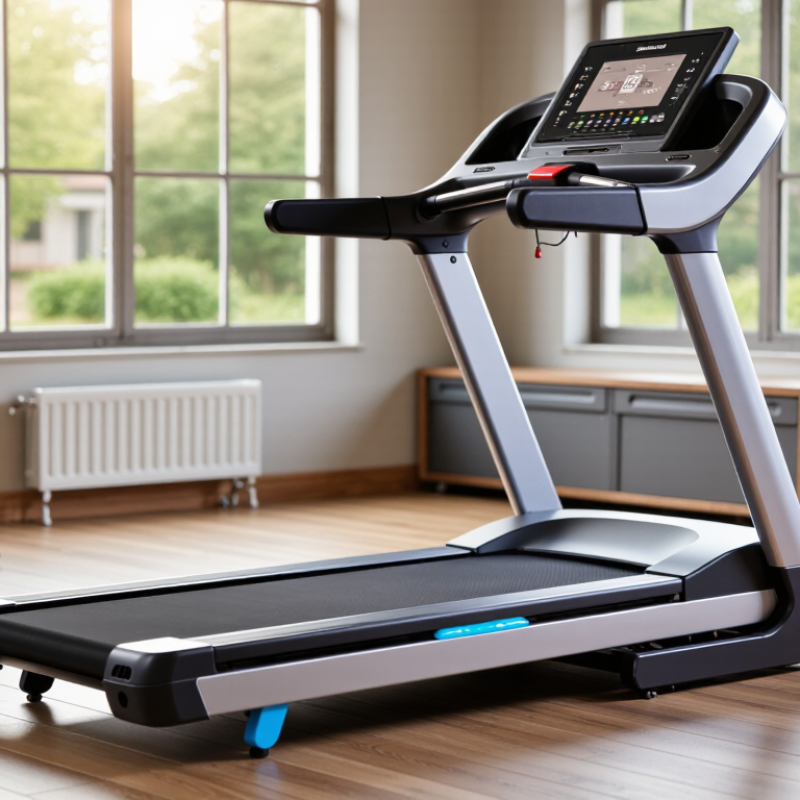
A top home treadmill manufacturer is defined by engineering discipline, not attractive pricing alone. Quality factories test motors, rollers, frames, and running belts under repeated household loads. They should provide clear specifications, traceable materials, and documented quality inspections. A durable treadmill often lasts seven to twelve years with regular home use. However, poor ventilation, heavy dust, and neglected lubrication can shorten that period. The manufacturer should also offer practical spare parts, responsive technical support, and a warranty with understandable terms. Certifications matter, but they do not replace factory audits or real performance testing.
Tips: Ask for motor test records and belt wear data. Check the frame thickness, user-weight rating, and replacement-part availability. Request videos of production and final inspections. Do not trust vague claims such as “commercial quality.” Ask how that quality is measured. Small details matter.
A reliable manufacturer communicates limitations honestly. For example, continuous running may reduce service life, even when the treadmill looks powerful. Some buyers focus too heavily on peak motor horsepower. That can be misleading. Noise levels, cooling design, alignment, and controller protection also influence durability. A strong supplier explains maintenance intervals and common failure points before purchase. No inspection is perfect. Even careful buyers may miss shipping damage or future component shortages. Still, transparent records and consistent after-sales service make long-term ownership more predictable.
Strong engineering matters more than a low price. Factories should test motors, rollers, frames, and belts repeatedly. Clear specifications, material records, and inspection reports are important.
A well-maintained treadmill may last seven to twelve years. Heavy users, daily running, dust, and poor ventilation can shorten its life. That estimate is not guaranteed.
Request motor test records, belt-wear data, and final inspection reports. Production videos can reveal assembly details. Vague claims like “commercial quality” need measurable proof.
No. Peak power can be misleading. Cooling design, controller protection, belt alignment, and noise also matter. A quieter, cooler machine may last longer.
Dust can enter the motor compartment and restrict airflow. Heat then builds around electrical parts. Clean visible vents and surrounding surfaces regularly.
Watch for slipping, hesitation, unusual heat, or repeated alignment changes. Strange sounds may indicate worn rollers or loose components. Do not ignore them.
Follow the supplied maintenance instructions. Use lubricant only when approved. Avoid overtightening the belt. Record lubrication dates, noises, and adjustments.
Check frame thickness, user-weight limits, replacement parts, and technical support. Ask about common failures and maintenance intervals. Parts may become unavailable later. That risk deserves attention.
Certifications provide useful evidence, but they are not complete proof. Factory audits and real performance testing still matter. No inspection catches everything. Shipping damage can appear afterward.
China’s top home treadmill manufacturers are defined by consistent build quality, reliable motors, durable frames, thorough testing, safety-focused design, and responsive after-sales support. The lifespan of a treadmill depends on several factors, including motor power, user weight, workout frequency, belt and deck quality, ventilation, assembly accuracy, and regular maintenance. How long does a home treadmill usually last? With proper construction and moderate household use, a well-made treadmill can commonly serve for many years, while heavy daily use may shorten its working life.
Users can extend service life by lubricating the belt as recommended, keeping the machine clean and level, tightening loose parts, avoiding overloading, and allowing the motor to cool after extended sessions. Repairs are worthwhile when problems involve replaceable components such as belts, rollers, sensors, or control boards. Replacement may be more practical when the frame, motor, or deck has serious damage, repeated faults, or repair costs that approach the price of a new machine.

 StepUp Treadmill