A skipping treadmill belt can be frustrating. It interrupts your workout and makes maintaining a routine difficult. Many users ask, "Why does my treadmill belt keep skipping?" Understanding the causes can help you address the issue effectively.
Common reasons include improper tension, dirt accumulation, or worn parts. A belt that isn’t tight enough can slip, while dust can hinder its smooth operation. Regular maintenance is key to preventing these problems. Checking the alignment and lubricating the belt frequently can improve performance.
Ignoring these signs can lead to further complications. Over time, wear and tear can worsen. It’s essential to pay attention to your treadmill’s condition. Scrutinizing every detail, such as tracking the belt's movement, can provide valuable insights. While DIY fixes are often possible, knowing when to consult a professional is also crucial.
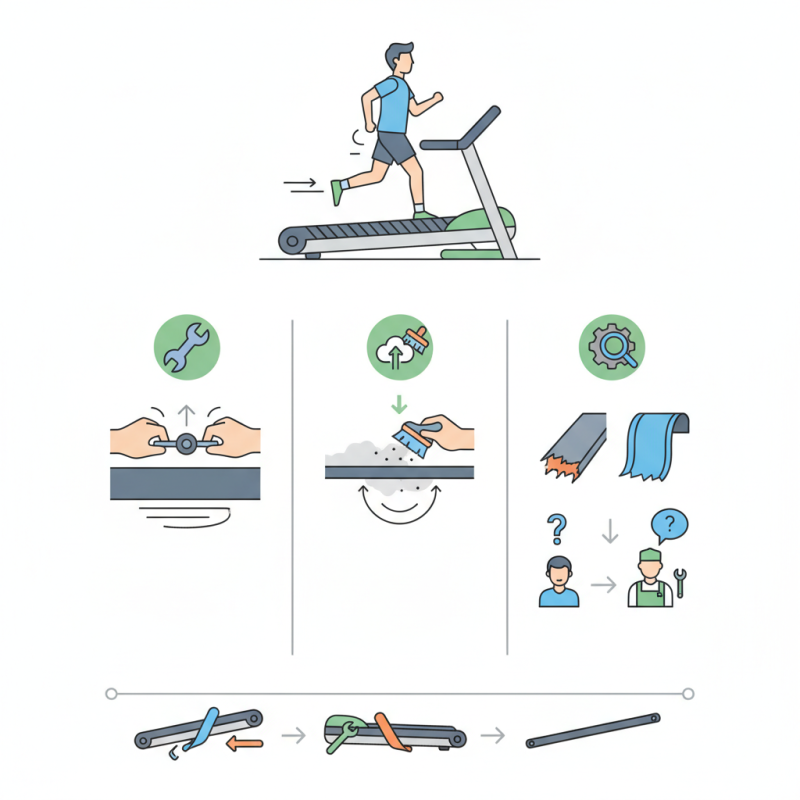
A skipping treadmill belt can disrupt your workout. Understanding the causes is vital for effective repair. One primary reason for this issue is improper tension. A belt that is too loose can slip, disrupting your stride and effort. Regular maintenance is crucial. According to a report by the Fitness Equipment Manufacturers Association, 30% of treadmill problems originate from insufficient user understanding of belt adjustments.
Wear and tear also play a significant role. Over time, the treadmill belt can degrade, leading to slippage. Research indicates that treadmill belts typically last between 3,000 to 5,000 miles. After this mileage, the likelihood of skipping increases significantly. Noticing visual wear, such as fraying edges, indicates it’s time for replacement.
Improper lubrication is a hidden culprit. A dry belt can increase friction, causing it to skip. Many users overlook lubrication schedules, which should be quarterly. Professionals recommend using a silicone-based lubricant on belt surfaces. Remember, a skipping belt not only affects your workout but can also lead to future damage if left unchecked. Keeping an eye on these factors can prolong the life of your treadmill.
A skipping treadmill belt can disrupt your workout. Identify the problem by observing how the belt moves. If the belt hesitates or jumps during use, it's time to investigate. Listen for unusual sounds, such as a jerking noise or grinding, which can indicate that the tension is off.
Check the alignment of the treadmill belt. If it looks crooked or doesn't run straight, it may be misaligned. Adjusting the belt may require some mechanical skills. Inspect the roller and motor as well. Wear and tear on these parts can cause a skipping sensation.
Regular maintenance can prevent these issues from arising, but it requires diligence. Look for signs of slipping. If you notice a reduced grip on the belt surface, this could mean it's too loose. A loose belt is prone to skipping and can affect the lifespan of your treadmill.
If you catch these issues early, you can address them quickly.
Every treadmill owner should remain vigilant to avoid larger problems down the line.
Adjusting the tension of your treadmill belt is crucial for smooth operation. A skipping belt can be caused by incorrect tension settings. Start by checking the tension. If it feels too loose, these steps will guide you in fixing it.
Begin by unplugging the treadmill. This ensures safety while working. Locate the adjustment screws at the back of the treadmill. Use an appropriate tool to turn the screws. A quarter turn may help tighten the belt. Check the tension level frequently to avoid over-tightening. An overly tight belt can cause premature wear or damage.
Here are some helpful tips: Regularly inspect your treadmill for signs of wear. Look for irregularities in the belt's surface. Adjustments should be made gradually to find the right tension. After adjusting, test the belt by walking on it. Listen for any unusual sounds that indicate further issues. If you encounter trouble, revisit the adjustment process.
Another tip is to keep the treadmill clean. Dust and debris can affect belt performance. A clean machine may reduce skipping incidents. Make this part of your maintenance routine. Regular check-ups ensure a longer life for your equipment.
| Step | Action | Tools Needed | Estimated Time |
|---|---|---|---|
| 1 | Unplug the treadmill | None | Few minutes |
| 2 | Examine the belt for wear and tear | Flashlight | 5 minutes |
| 3 | Loosen the rear roller bolts | Wrench | 5 minutes |
| 4 | Adjust the belt tension using adjustment screws | Screwdriver | 10 minutes |
| 5 | Check belt alignment | None | 5 minutes |
| 6 | Tighten rear roller bolts | Wrench | 5 minutes |
| 7 | Plug in treadmill and test run | None | 5 minutes |
Lubricating your treadmill belt is essential for smooth operation. A well-lubricated belt reduces friction, extends the life of the machine, and enhances performance. Follow these steps to ensure effective lubrication.
Start by turning off your treadmill and unplugging it for safety. Remove the motor cover to gain access to the belt. Check the manufacturer’s guidelines to select the right lubricant. Use a silicone-based lubricant for optimal results. Apply it evenly along the length of the belt. Avoid over-applying, as this can lead to slippage.
Tips: Use a clean cloth to wipe away excess lubricant. This prevents buildup and potential damage. Regular lubrication every three months maintains performance.
After lubrication, run the treadmill at a low speed for a few minutes. This helps distribute the lubricant evenly. Check for proper tension in the belt. An improperly tensioned belt can lead to skipping. Don't ignore unusual noises or slipping. These can signal the need for immediate attention. Keeping the treadmill clean is also important—dust and debris can affect performance.
Regular checks and maintenance create a safer, more enjoyable workout experience. Prioritizing lubrication ensures your treadmill lasts longer and operates smoothly.
A skipping treadmill belt can stem from various issues, some of which may require professional intervention. If you notice consistent skipping, it might indicate a need for belt tension adjustment. Regular wear and tear can lead to misalignment, causing the belt to slip. Uneven surfaces can exacerbate the problem, further complicating your home repairs.
It’s crucial to recognize when a situation is beyond basic fixes. If tightening the belt or lubricating it doesn’t solve the issue, consulting a professional might be necessary. This is especially true when unusual noises emerge or if the treadmill fails to start consistently. Professionals possess the experience and knowledge to diagnose complex mechanical problems that might not be immediately visible.
While DIY repairs can seem appealing, they can sometimes do more harm than good. A misguided adjustment or choice of lubricant could damage the treadmill further. A balanced approach, weighing the risks of self-fix against professional help, is essential. Sometimes, it’s best to admit when to seek help to ensure the longevity and safe operation of your treadmill.
: One main cause is improper tension. A belt that is too loose can slip, disrupting your workout.
It's recommended to lubricate every three months for optimal performance.
Visual wear like fraying edges suggests it’s time for replacement.
Feel the belt. If it seems too loose, you may need to adjust it.
Unplug the treadmill, locate the adjustment screws, and turn them slightly.
Dust and debris can affect belt performance and increase slippage incidents.
Yes, an overly tight belt can lead to premature wear and possible damage.
Investigate the cause immediately, as it may signal further issues.
Apply lubricant evenly along the belt and run the treadmill at low speed afterward.
Neglect can lead to increased skipping and potentially damage your treadmill.
A skipping treadmill belt can be frustrating for users, prompting the question, "Why does my treadmill belt keep skipping?" Understanding the underlying causes is crucial, as factors like improper tension or insufficient lubrication often contribute to this issue. Identifying signs such as inconsistent movement or unusual noises can help users determine if their treadmill belt needs attention.
To address this problem, a step-by-step guide recommends first checking and adjusting the belt tension, followed by properly lubricating the belt to ensure smooth operation. Regular maintenance is essential to avoid future issues. However, if adjusting the belt does not resolve the problem, it may be necessary to seek professional help to explore deeper mechanical issues or potential repairs. By following these steps, treadmill users can effectively address skipping belts and maintain their equipment in optimal working condition.
StepUp Treadmill