Best Treadmill Flooring Options for Performance and Durability?

Time:2026-05-01 Author:Liam
0%

When setting up a treadmill at home or in a gym, flooring plays a crucial role. Choosing the right surface can enhance performance and prolong the life of your equipment. So, what is the best floor for a treadmill? A good floor not only supports the machine but also absorbs shock, reducing wear and tear. It helps protect your floors from damage and ensures safety during workouts.

Various options are available for treadmill flooring, including rubber mats, carpet, and vinyl. Each material has distinct advantages. Rubber mats offer excellent durability and shock absorption, making them a popular choice. Carpeting can be more cost-effective but might not provide the same level of protection. Vinyl, on the other hand, is waterproof and easy to clean.

In conclusion, finding the best flooring is essential for maximizing your treadmill's performance. It's worth examining each option carefully to determine the best fit for your needs. Consider the balance between durability and comfort when selecting your flooring. A thoughtful choice can lead to a better workout experience and a longer-lasting treadmill.
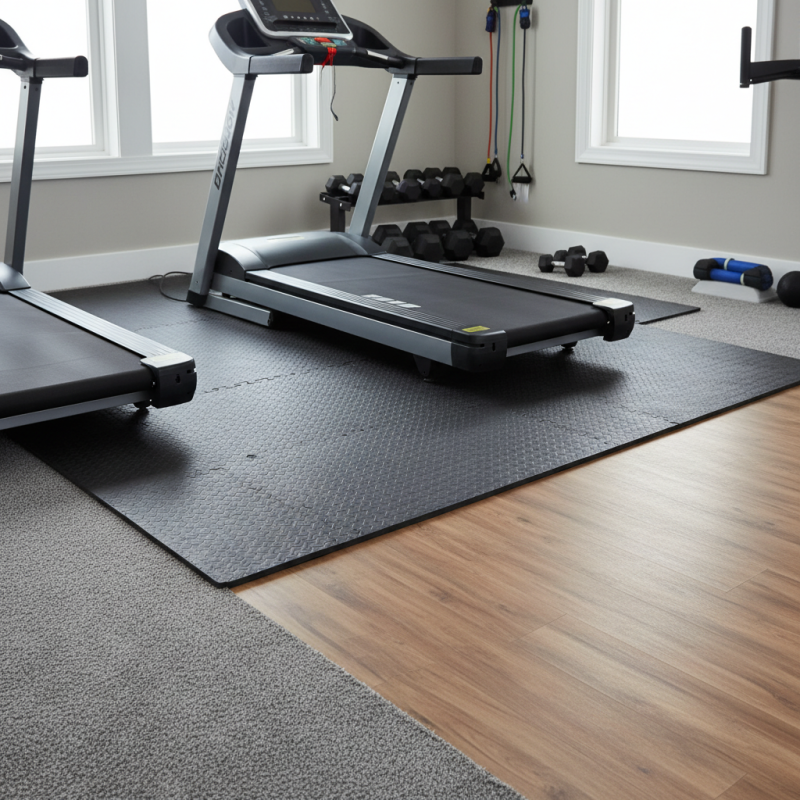
Best Treadmill Flooring Options for Performance and Durability?

Best Treadmill Flooring Options: Understanding Materials and Benefits

When choosing the best flooring for your treadmill, materials play a crucial role. Rubber flooring is often favored for its shock absorption and durability. It can reduce noise, making workouts quieter. Another option is foam tiles, which offer excellent cushioning. They are lightweight and easy to install. However, foam may wear out faster compared to rubber.

Hardwood floors look great but lack the necessary cushioning. They can also be slippery under workout conditions. Consider plastic or vinyl flooring, too. These materials provide a good balance of stability and comfort. They are easy to clean but may not offer as much grip.

Reflect on your workout habits. Do you run frequently or prefer light exercise? Heavy use might necessitate tougher materials like commercial-grade rubber. It's essential to balance aesthetics and functionality. Think about your room's design. You want a floor that complements your space while supporting your fitness journey.

Evaluating Performance: Impact Resistance and Shock Absorption in Flooring

When selecting treadmill flooring, impact resistance and shock absorption are critical. Durable flooring materials can significantly reduce wear and tear on your equipment. Look for options specifically designed to handle the constant pounding of running or walking. High-density foam and rubber mats often provide excellent shock absorption. They minimize vibrations that can affect your treadmill's performance over time.

Consider the material's thickness. Thicker flooring generally offers better support and cushioning. This can be especially important for those who run regularly. However, it's essential to balance thickness with the ceiling height in your workout area. If the floor is too high, it may create an uncomfortable environment. The flooring installation should also be straightforward, as DIY approaches can lead to imperfections that may impact overall performance.

Remember that not all flooring is created equal. Some surfaces may wear down faster than others, leading to potential safety hazards. Regular maintenance and inspection can help mitigate these risks. Discussing your setup with experienced professionals can reveal unforeseen challenges. Reflecting on your needs and how they align with performance and durability will enhance your fitness experience. Choosing flooring thoughtfully can truly make a difference in your treadmill's longevity and your overall workout satisfaction.

Durability Comparison: Lifespan and Maintenance of Various Flooring Types

When selecting flooring for treadmills, durability is a key factor. Various flooring options have different lifespans based on the materials used. Rubber flooring is popularly known for its strength. It can withstand heavy equipment and intense workouts. Many gym owners prefer rubber because it resists wear and tear effectively.

Carpet tiles offer a softer feel. However, their durability may not match that of rubber. They can wear quickly under a treadmill’s weight. Regular maintenance helps, but they may need replacing sooner. Wood flooring presents an aesthetic appeal, but it often requires more upkeep. It may warp or scratch under constant pressure, so consideration is essential.

Users must also think about comfort and performance. Some floors may absorb shock better than others. This can help in reducing stress on joints during workouts. Despite being resilient, even rubber surfaces can develop issues over time. Users should monitor their flooring condition regularly. Keeping a close eye allows for timely maintenance and helps extend the flooring's lifespan.

Cost Analysis: Budgeting for High-Quality Treadmill Flooring Options

When budgeting for treadmill flooring, understanding the options can significantly impact long-term costs. According to industry reports, high-quality rubber flooring can last up to 15 years with proper maintenance. This option can initially cost between $2 to $5 per square foot. However, its durability often means fewer replacements over time.

Foam tiles are another alternative. They are more affordable, typically ranging from $1 to $3 per square foot. While they provide good cushioning, their lifespan may only reach about 5 years. This limited durability can lead to unexpected long-term costs. Some studies suggest that choosing lower-quality materials may save money upfront but result in higher replacements.

Another factor to consider is the installation cost. Professional installation can add an extra $1 to $3 per square foot. DIY options may save money, but improper installation could affect durability. Homeowners should weigh their skill levels and potential risks. Investing in quality flooring may require a pinch in the budget, but it can alleviate future headaches and expenses. An informed choice can lead to better performance and overall satisfaction.

Best Treadmill Flooring Options for Performance and Durability

Flooring Type Material Durability (Years) Cost per Square Foot ($) Performance Features
Rubber Mats Recycled Rubber 10-15 2.50 Shock Absorption, Noise Reduction
Foam Tiles EVA Foam 5-10 1.50 Comfort, Easy Installation
Vinyl Flooring Polyvinyl Chloride (PVC) 15-20 3.00 Water Resistant, Easy to Clean
Carpet Tiles Nylon 5-15 2.75 Comfort, Insulation
Cork Flooring Natural Cork 10-20 4.00 Eco-Friendly, Anti-Microbial

Installation Considerations: Ease and Requirements for Different Flooring Types

When selecting flooring for a treadmill, consider installation ease. Some materials require minimal effort, while others may need a professional installer. For example, rubber tiles can be laid down quickly. They interlock easily, making them a popular choice for DIY enthusiasts.

Meanwhile, carpets may appear appealing but can complicate installation. Thicker carpet padding can absorb the vibrations from your treadmill, which can lead to uneven wear. Additionally, removing heavy furniture for installation can be a hassle. Safety should also be a concern; slippery surfaces can increase the risk of accidents.

Vinyl flooring is an attractive option, offering durability and performance. It can handle heavy equipment without warping. However, it requires precise measurements during installation. Otherwise, you might have to deal with gaps or bubbles, which are frustrating. Ultimately, choosing the right flooring involves balancing installation requirements and long-term durability. Each type has its benefits and challenges, and careful consideration is essential.

FAQS

: What is the best material for treadmill flooring?

: Rubber flooring is commonly preferred for its shock absorption and durability.

How does foam flooring compare to rubber?

Foam tiles offer excellent cushioning but may wear out faster than rubber options.

Are hardwood floors suitable for treadmill use?

Hardwood floors look good but lack cushioning and can be slippery during workouts.

What impact does flooring thickness have on performance?

Thicker flooring generally provides better support but can affect ceiling height.

Is DIY installation easy for all flooring types?

Some materials, like rubber tiles, are easy to install, while carpets can complicate the process.

How can I maintain treadmill flooring?

Regular maintenance and inspection help prevent safety hazards and increase longevity.

What safety concerns should I consider?

Slippery surfaces can raise the risk of accidents during workouts.

Can vinyl flooring handle heavy equipment?

Yes, vinyl flooring is durable and can support heavy machines without warping.

Should I consult professionals for flooring installation?

Discussing setup with experts can uncover challenges you may not have considered.

How do aesthetics influence flooring choice?

Your room's design should complement the flooring while supporting your fitness needs.

Conclusion

When considering what is the best floor for a treadmill, several factors come into play, including material type, performance, and durability. Various flooring options provide different levels of impact resistance and shock absorption, which are vital for minimizing wear on both the treadmill and your joints during workouts. Evaluating how long different flooring types last and their maintenance requirements allows users to make informed decisions for long-term use.

Moreover, budget considerations are crucial when selecting high-quality treadmill flooring. It's essential to balance cost with the expected lifespan and performance benefits of the flooring materials. Additionally, installation ease varies among types, which can affect your setup process. Understanding these aspects ensures that you choose a flooring option that enhances your workout experience while protecting your equipment and floors.

Liam

Liam

Liam is a dedicated marketing professional with a profound expertise in the industry, where he excels at highlighting the unique advantages of our core products. With a keen understanding of market trends and consumer needs, Liam frequently updates our company’s professional blog, providing......